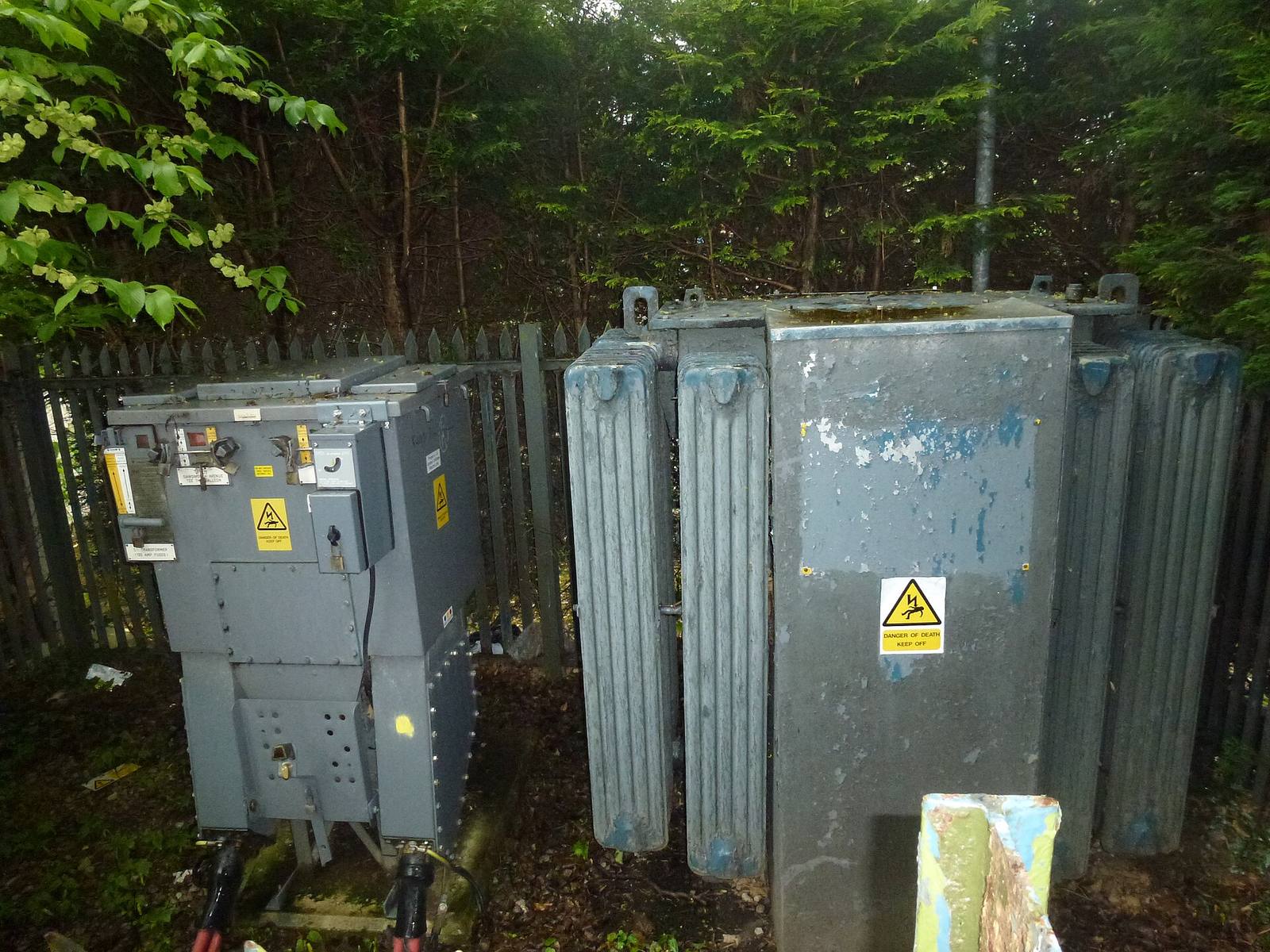
Sell 1,000 kVA Transformers in Wilmington, DE
A 1,000 kVA transformer can become a difficult asset to manage when a facility changes equipment plans, retains a spare, or reaches a decision about surplus inventory. If you are weighing whether to keep or sell one in Wilmington, Delaware, start by identifying what the unit is and what information is already available. A buyer’s assessment, not the rating alone, informs any offer.
The buyer purchases used or surplus transformers and makes cash offers. Payment is upfront, freight is covered, seller testing is not required, and all voltage classes are bought. These commitments can help frame the decision before logistics are discussed. They do not mean every transformer receives the same offer or that a specific result is guaranteed; the unit and sale details matter.
What a 1,000 kVA Rating Tells You
The 1,000 kVA figure describes an apparent-power rating, but it does not identify the transformer’s complete electrical configuration or establish where it was used. Units sharing that rating may differ in primary and secondary voltage, phase, construction, cooling, connection details, and other characteristics. Avoid treating capacity as a substitute for the nameplate or available equipment records.
A buyer may need the primary and secondary voltage, phase, manufacturer, condition, quantity, and location to evaluate a potential purchase. Other readable nameplate details, such as model information or a serial number, can also help distinguish one unit from another. None of those details should be guessed from the kVA rating, a brand, or the seller’s recollection.
Gather Existing Information
Look for records already associated with the transformer, such as an equipment schedule, purchase documentation, maintenance history, or prior inventory notes. Share what is available rather than commissioning new testing for an offer. If the nameplate is readable and safely accessible, its information can be useful; do not approach energized equipment or take a photograph unless doing so is safe.
If you send photographs, use only images that can be obtained safely by an authorized person. A clear view of the nameplate and overall unit may help communicate its identity and visible condition, but photographs do not replace the buyer’s assessment. If a brand appears on the plate, report it as printed; do not assume a particular history, relationship, or affiliation.
Describe Condition and Quantity
Condition is relevant, but a seller does not need to present a tested unit to request an offer. Existing observations and records can provide context, including whether the transformer is described as used, surplus, or held as a spare. Be straightforward about known damage, missing components, prior operational concerns, or uncertainty, without trying to diagnose equipment beyond your role.
Clarify whether the sale concerns one transformer or several, and whether the units have matching or different nameplate information. A group can include equipment with the same kVA rating but different voltage combinations, phases, manufacturers, or conditions. Keeping each unit’s available records and safe photographs associated with that unit helps the buyer assess the actual equipment being offered.
Ownership, Access, and Location
Wilmington identifies the seller’s location for this inquiry; it does not establish any particular site condition or equipment arrangement. Before discussing freight coordination, be prepared to clarify who is authorized to sell the transformer, where it is located, what access considerations are known, and whether other parties must approve a transaction. Ownership and authority should be clear before equipment logistics move forward.
Share the location and any known constraints relevant to access, along with the project schedule if one affects planning. Do not move, disconnect, prepare, or load a transformer yourself for the purpose of arranging a sale. Qualified professionals should handle electrical work and equipment movement. Freight is covered by the buyer, while specific coordination depends on the equipment, site details, and agreed arrangements.
Request an Assessment and Offer
To begin, provide the readable nameplate information you already have, existing records, safe photographs if available, quantity, condition, ownership status, location, and relevant access or schedule details. Testing is not required to receive an offer. Missing information can be identified honestly; do not fill gaps with assumptions about the transformer’s voltage, history, condition, or suitability.
The buyer reviews the available information and assesses the used or surplus transformer before making a cash offer. If an offer is made and accepted, payment is upfront, and freight is covered. All voltage classes are bought, so a voltage class by itself does not rule out an inquiry. An assessment is specific to the equipment and sale details, not a promise of acceptance or a particular amount.