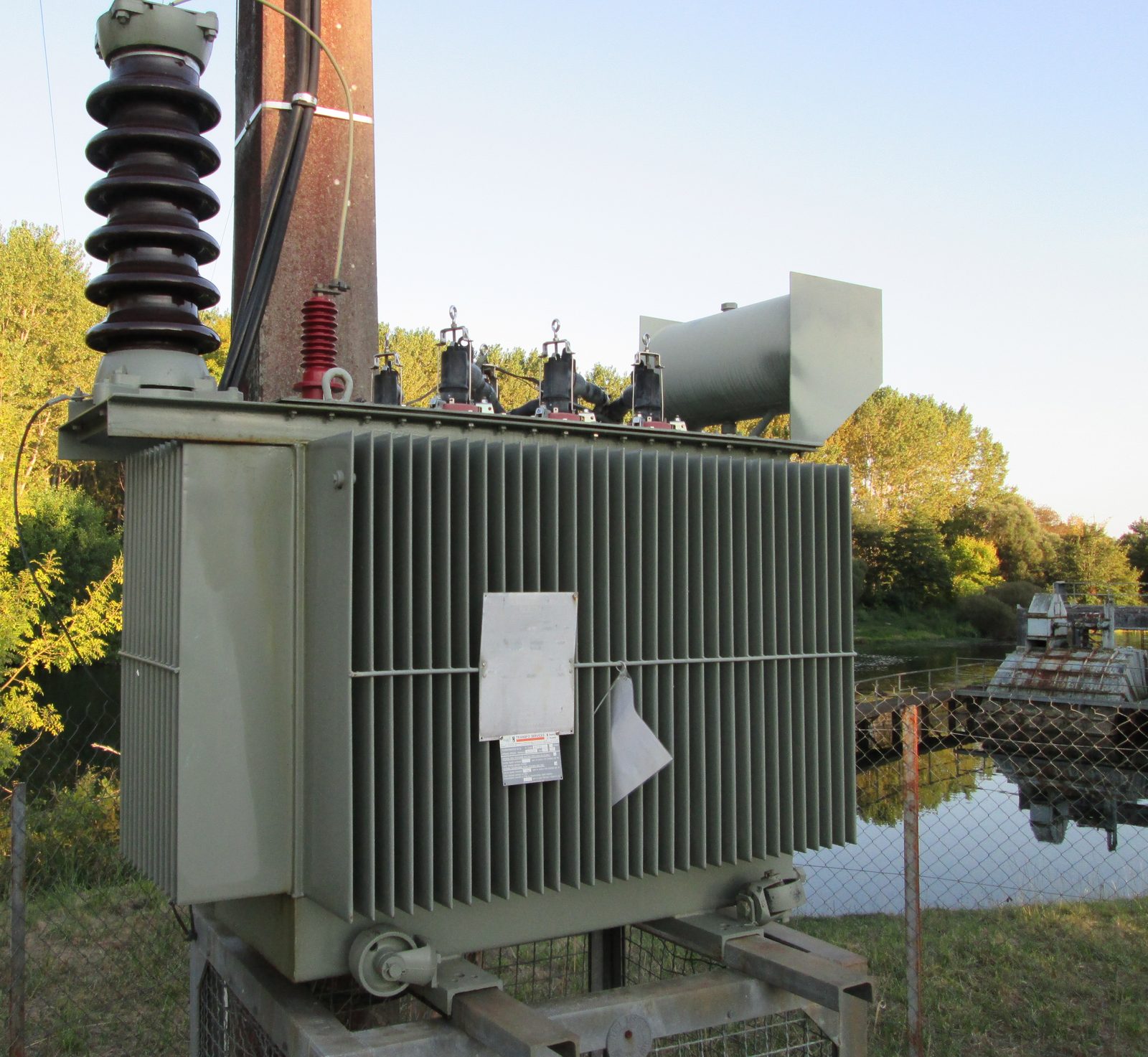
Sell 300 kVA Transformers in Middletown, DE
Hypothetically, a facility representative in Middletown is preparing to sell a surplus 300 kVA transformer after a project changes direction. The useful first step is not to guess its application or value, but to describe the unit accurately. A clear account helps the buyer understand what is being offered and what details still need confirmation.
A 300 kVA rating identifies apparent-power capacity, not the transformer’s complete electrical configuration or present condition. Units with that rating can differ in primary and secondary voltage, phase, manufacturer, construction, connections, and other nameplate details. Do not infer any of those characteristics from the capacity alone; report what is readable and mark uncertain information as unknown.
Describe the Nameplate, Not an Assumption
If safely accessible, existing nameplate information can provide a practical starting point. Read the manufacturer and model or serial identifiers as printed, along with the primary and secondary voltage, phase, frequency, impedance, and other legible markings. Record the 300 kVA rating as shown, and avoid filling gaps by assuming a familiar configuration, intended use, or installation type.
Nameplate details matter because they help distinguish one 300 kVA unit from another and let the buyer assess whether the information fits the asset being offered. A readable photograph may help clarify labels, but only take one where it is safely accessible. Existing records can also help resolve faded, obscured, or incomplete markings without approaching equipment.
Explain What Is Known About Condition
Describe observable condition in measured terms: for example, whether the exterior appears intact, whether visible labels are legible, or whether records note prior service. Identify known damage or missing components rather than calling a unit operational, tested, or ready for use without support. A seller does not need to arrange testing to request an offer.
Not every transformer is liquid-filled, and a 300 kVA rating does not establish its construction, contents, or condition. If existing documentation identifies a unit as liquid-filled or dry-type, share that information; otherwise, avoid guessing. The buyer purchases used or surplus transformers and makes cash offers, with seller testing not required.
Include Quantity and Seller Location
State how many 300 kVA transformers are available and whether the quantity includes units with different nameplates or conditions. If several units are offered, describe them separately when their voltage, phase, manufacturer, or visible condition differs. That distinction helps prevent a group description from accidentally implying every transformer has identical specifications or is in the same state.
Middletown, Delaware is the seller’s location for describing this opportunity; no local facility or site characteristic needs to be assumed. Give the location at a level useful for discussing the transaction, and mention any known access considerations. Freight is covered by the buyer, while freight coordination and the project schedule can be discussed with the authorized representative.
Share Records and Ownership Context
Useful supporting information may include existing inventory records, purchase or maintenance documents, prior inspection notes, and any known history relevant to the unit. Share only what is available and distinguish documented facts from recollection. If records conflict with a nameplate, point out the discrepancy rather than choosing one version without explanation.
Confirm that you are authorized to discuss the transformer and identify any ownership questions that may affect a sale. The buyer’s assessment informs any offer; supplying records helps describe the asset but does not guarantee a particular result. The seller need not test the transformer to receive an offer, and no assumed service history should stand in for available evidence.
Prepare a Clear Offer Discussion
A concise description can bring together the rating, readable nameplate details, quantity, known condition, seller location, and available records. Note which details are confirmed, unreadable, or unknown. This makes the conversation more useful than relying on “300 kVA” alone, especially when several transformers or incomplete documentation are involved.
The buyer purchases used or surplus transformers across all voltage classes and pays upfront; freight is covered, and seller testing is not required. Share existing records, readable nameplate information, and safe photographs where available. Condition, ownership, access, project schedule, and freight coordination can then be discussed with the authorized facility representative.