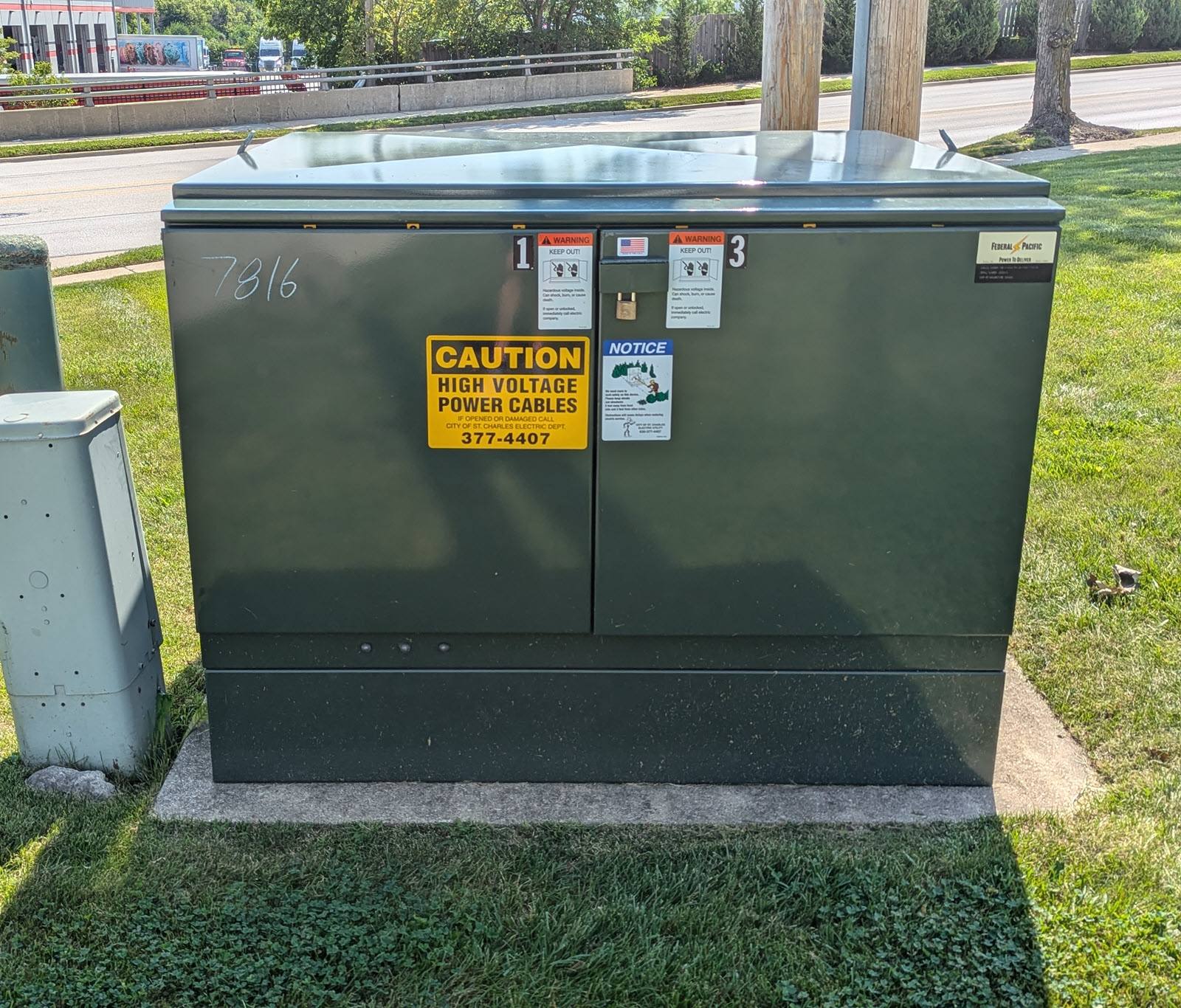
Sell Dry-Type Transformers in Smyrna, DE
Are you trying to sell a used dry-type transformer in Smyrna, Delaware, and wondering what information a buyer needs before making an offer? A dry-type unit uses air rather than insulating liquid as its principal insulating medium, but that label alone does not establish its design, condition, suitability, or value. Start by identifying the equipment you actually have.
A buyer purchases used or surplus transformers and makes cash offers. Payment is upfront, seller testing is not required, freight is covered, and all voltage classes are bought. These commitments apply to dry-type units as well. An actual buyer's assessment informs any offer; there is no need to assume that age, appearance, or a single rating determines the outcome.
Identify the Unit From Available Records
Gather existing records before trying to describe the transformer from memory. Useful material may include purchase or maintenance documents, an equipment schedule, prior inspection notes, and readable nameplate information. Check that the records refer to this unit rather than a nearby piece of equipment; facility files can contain several similar entries, revisions, or incomplete descriptions.
If the nameplate is safely accessible, a clear photograph can help preserve its wording and layout. Do not approach energized equipment or take a photograph unless the plate can be reached safely. If it is not safely accessible, share the records already available instead. Seller testing is not required to receive an offer, and you need not arrange testing for this purpose.
Read Ratings in Context
Record the primary and secondary voltage, phase, manufacturer, and any other readable nameplate details, such as model, serial number, rated capacity, enclosure information, or wiring designation. The primary and secondary ratings describe different sides of a transformer, so reporting both avoids an incomplete identification. Never infer a unit's configuration from one voltage or capacity marking alone.
These details matter together, not as isolated clues. Voltage and phase can help distinguish equipment with different electrical characteristics; manufacturer and model can support identification; condition, quantity, and location help frame the particular transaction. A rating does not by itself prove where the transformer was used or whether it is suitable for another application. Share what the plate actually says.
Describe Dry-Type Condition Honestly
Dry-type construction does not mean every unit has the same enclosure, cooling arrangement, insulation system, or service history. If known, describe whether the equipment is complete, whether accessories or documentation are present, and any visible damage or missing parts. Keep observations factual rather than treating dust, discoloration, or a past outage as a technical diagnosis.
Existing maintenance or inspection records can add useful context, including recorded repairs, operating concerns, or dates when the unit was taken out of service. Do not perform a test or open equipment to create information for a sale. The buyer can consider the records and reported condition in its assessment. Describe uncertainty plainly when details are missing or have not been verified.
Clarify Quantity, Ownership, and Access
For one transformer or several, state the quantity and identify each unit separately when their nameplates or conditions differ. Confirm that you are authorized to discuss the sale and share available ownership information. If the equipment is part of a larger surplus group, distinguish transformers from other materials so the buyer can understand what you are offering without guessing.
Smyrna, Delaware is the seller's location for this inquiry; no particular facility or local condition needs to be assumed. Explain the unit's general location and any known access constraints, along with the project schedule if timing matters. Access and ownership can be discussed directly. Do not attempt to move the equipment or make it accessible for photographs; qualified professionals should handle work around it.
Coordinate the Offer and Freight
When you contact a buyer, send the readable nameplate information and relevant existing records, then describe the known condition, quantity, location, and schedule. Safe photographs may help when they are already available or can be taken without approaching energized equipment. You do not need to provide a seller test report, and the buyer's assessment—not an assumed formula—guides any offer.
After the assessment, discuss the transaction and freight coordination for the specific equipment. The buyer purchases used or surplus transformers, makes cash offers, pays upfront, does not require seller testing, covers freight, and buys all voltage classes. Those commitments do not establish that a particular unit will receive an offer or specify its amount; the unit's details inform the buyer's decision.