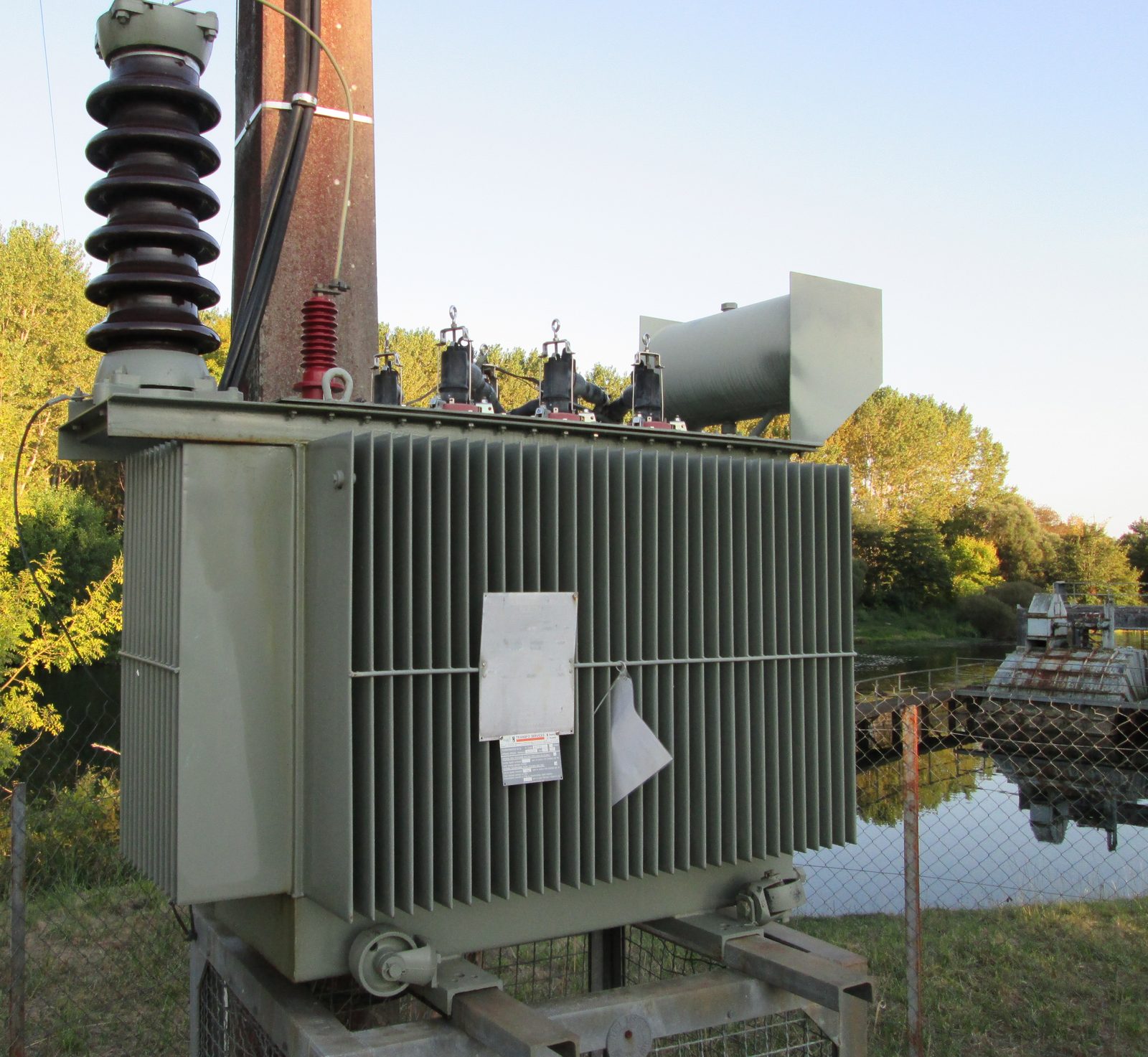
Sell Liquid-Filled Transformers in Delmar, DE
A liquid-filled transformer can become surplus when a facility changes equipment, consolidates inventory, or revises a project. That leaves a practical question: is there a buyer for this specific unit, and what information will help evaluate it? In Delmar, Delaware, the selling decision starts with the transformer’s identity, present condition, ownership, and role in the project.
Liquid-filled describes the equipment’s insulating and cooling medium, not a complete account of its design or value. Units can differ in manufacturer, age, construction, rating, and condition, and not every transformer is liquid-filled. Before discussing a transaction, gather details already available in records and consider whether the unit is surplus, replaced, or part of an ongoing change.
Identify the Unit Before Discussing an Offer
Readable nameplate information can help an actual buyer assess a transformer. Relevant details may include manufacturer, model or serial information, primary and secondary voltage, phase, kVA rating, frequency, and other marked characteristics. No single rating determines suitability or value by itself; the application, configuration, condition, quantity, and location can all affect how the unit is evaluated.
If the nameplate is safely accessible, share a clear photograph or transcribe its readable information. Do not approach energized equipment or take a photograph unless doing so is safe. Existing purchase, maintenance, or project records may help fill in details, but seller testing is not required to receive an offer. Avoid guessing at unreadable markings; an actual buyer can review the information provided.
Describe Condition and Project Context
A useful description covers what is known, not what is assumed. Note whether the transformer is operating, stored, removed, or awaiting a project decision, and disclose visible concerns or known service history when records are available. Do not infer internal condition from appearance. The buyer’s assessment, based on the available information, informs any offer; no particular outcome is promised.
For liquid-filled equipment, records may identify the insulating liquid or document prior service, but do not assume its composition, age, or PCB status. Share existing documentation if available rather than making an unsupported environmental or condition claim. The unit’s quantity, ownership, present location, accessibility, and project schedule also help frame a practical conversation about whether a sale fits.
What the Buyer Purchases
The buyer purchases used or surplus transformers and makes cash offers for equipment across all voltage classes. That includes liquid-filled units, subject to an actual buyer’s assessment of the particular equipment and information provided. The buyer does not require seller testing before making an offer, so a seller can begin with existing records and readable nameplate details rather than arranging tests solely to start the discussion.
A cash offer is not a preset value based only on a label or a general description. Manufacturer, primary and secondary voltage, phase, condition, quantity, location, and other nameplate details may all matter. Supplying accurate information helps the buyer assess the unit, while uncertainty should be identified plainly. The assessment informs the offer; it does not guarantee acceptance or a particular result.
Payment and Freight Coordination
For a completed purchase, payment is upfront, and freight is covered by the buyer. These are service commitments, not estimates or assumptions about a particular unit’s acceptance. Discuss how payment and freight coordination apply to the proposed transaction with the buyer, including the seller’s project schedule, the unit’s location, access, and the parties’ coordination needs.
The seller does not need to arrange testing to receive an offer, and freight is covered. Keep the conversation focused on facts that can be shared safely: existing records, readable nameplate information, and photographs only when safely accessible. Qualified professionals should handle any work involving electrical equipment, including disconnection, handling, rigging, removal, or transport; this article does not provide operating instructions.
Prepare a Clear Selling Inquiry
A concise inquiry can state that the equipment is a used or surplus liquid-filled transformer in Delmar, Delaware, then give the known manufacturer, primary and secondary voltage, phase, quantity, and condition. Add the readable rating and other nameplate details, available records, and any relevant project schedule. If something is unknown, say so instead of supplying an estimate.
The buyer can use those particulars to assess the equipment and make a cash offer. Seller testing is not required, payment is upfront, freight is covered, and all voltage classes are bought. Ownership, access, condition, and freight coordination can be discussed as part of the transaction. A clear account of what is known helps keep the selling question centered on the actual transformer.