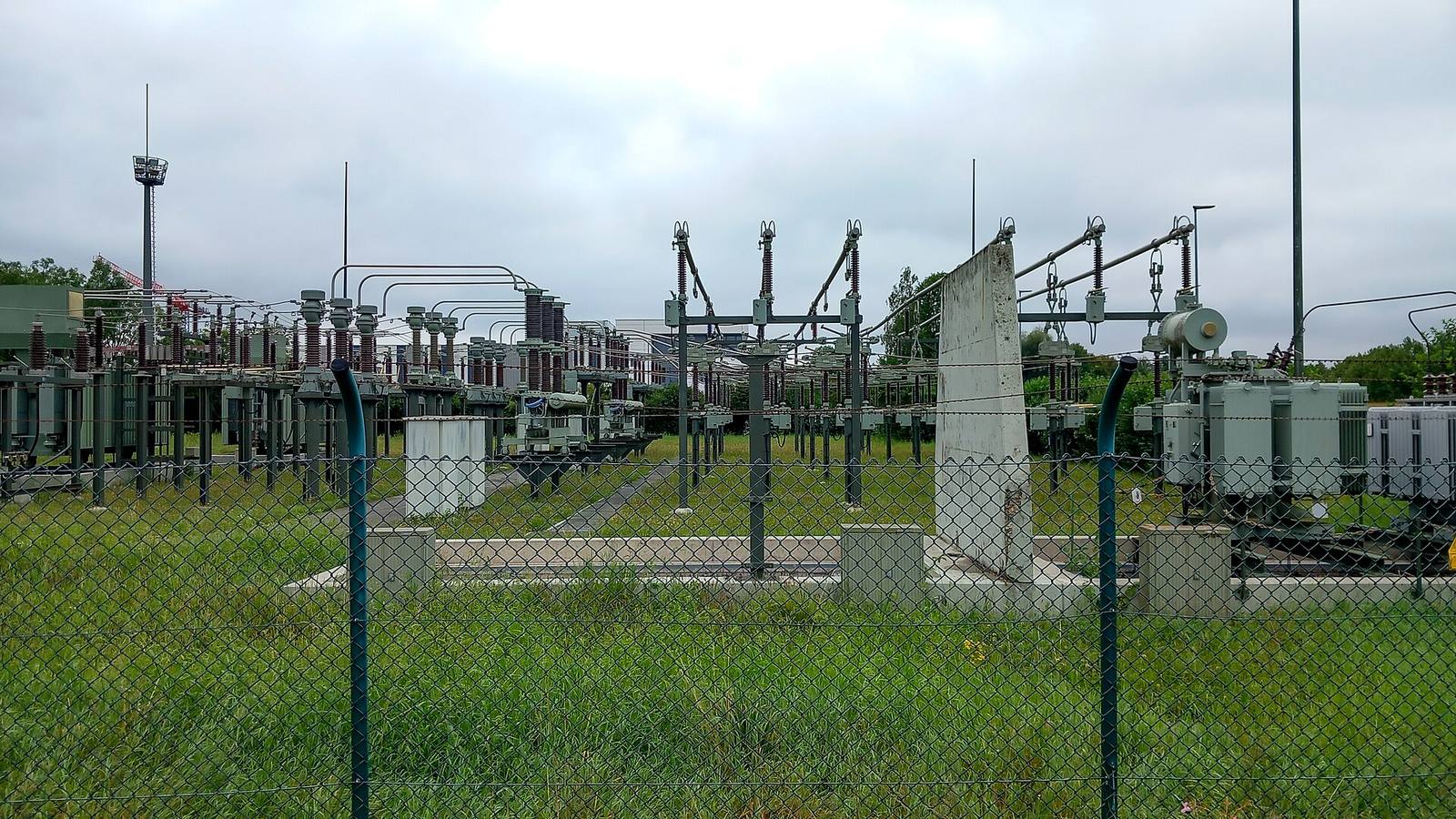
Sell Substation Transformers in Clayton, DE
Are you trying to determine whether a used substation transformer has resale value, and what information a buyer needs to consider it? An actual buyer’s assessment informs any offer. If you own or are authorized to represent the equipment, you can begin by gathering records and readable nameplate information; seller testing is not required to receive an offer.
The buyer purchases used or surplus transformers and makes cash offers, including for equipment described as substation transformers. All voltage classes are bought. Payment is upfront, and freight is covered. These commitments establish a straightforward starting point, but they do not mean every unit receives the same offer or that a particular outcome can be promised.
Identify the Equipment and Its Records
Start with the equipment’s identity rather than assumptions based on its setting or size. Existing purchase, maintenance, inventory, or project records may help clarify ownership, model designation, service history, and whether the transformer is available for sale. Share only information you already have; missing records or unknown history do not create a seller-testing requirement.
Substation equipment may be part of a larger assembly, so clarify which transformer or transformers are included in the proposed sale. Note whether there are multiple units and whether accessories or associated equipment are considered part of the transaction. Avoid estimating details from appearance alone; an authorized representative can describe what is known and flag what remains uncertain.
Read the Nameplate Carefully
A readable nameplate can help a buyer distinguish among units and review their stated characteristics. Useful details may include manufacturer, model or serial information, primary and secondary voltage, phase, rated capacity, and other marked data. Include only details that are legible and safely accessible. If a nameplate cannot be read, say so rather than guessing at its contents.
No single rating tells the whole story. Primary and secondary voltage, phase, manufacturer, condition, quantity, location, and other nameplate details may all matter to an assessment. Do not assume a voltage or capacity identifies a particular installation or market. If a brand is visible, report its name as marked; do not infer equipment history or a relationship with that manufacturer.
Describe Condition Without Testing
Condition is relevant, but you do not need to arrange testing before requesting an offer. Share known observations and existing reports, if available, while separating documented facts from recollections or uncertainty. For example, note whether records describe prior service or a known issue; do not present an unverified condition as confirmed operating status.
Transformers vary in design, and not every unit is liquid-filled. Do not assume construction, contents, or condition from the word substation or from a photograph. If safe photographs already exist, they can help show the unit and its visible markings. Do not approach energized equipment or take a nameplate photograph unless it is safely accessible.
Confirm Ownership, Access, and Timing
Before moving toward a sale, confirm that you have authority to offer the equipment and identify any ownership or disposition questions that need to be resolved. Describe the unit’s location as Clayton, Delaware, and explain relevant access arrangements without assuming a particular site layout. Condition, ownership, access, and project schedule can be discussed as part of the buyer’s assessment.
Share a practical schedule if the equipment is connected with a planned change or surplus decision. Timing can affect coordination, but it does not replace an assessment or guarantee acceptance. You can also clarify whether the unit is being offered individually or with other transformers. Keep sensitive site details limited to information needed to discuss the equipment and transaction.
Coordinate Freight and the Offer
Freight is covered by the buyer. Once the equipment details and seller’s circumstances are discussed, freight coordination can be addressed with the buyer; do not make independent arrangements based on assumptions about access or transport. Handling, disconnection, removal, rigging, and transportation should be managed by qualified professionals. This article is not a set of instructions for performing that work.
For a useful initial discussion, provide the readable nameplate details you have, existing records, safe photographs if available, quantity, condition information, and seller location. The buyer reviews those details and makes an actual assessment before presenting an offer. Seller testing is not required, payment is upfront, and the buyer purchases used or surplus transformers across all voltage classes.