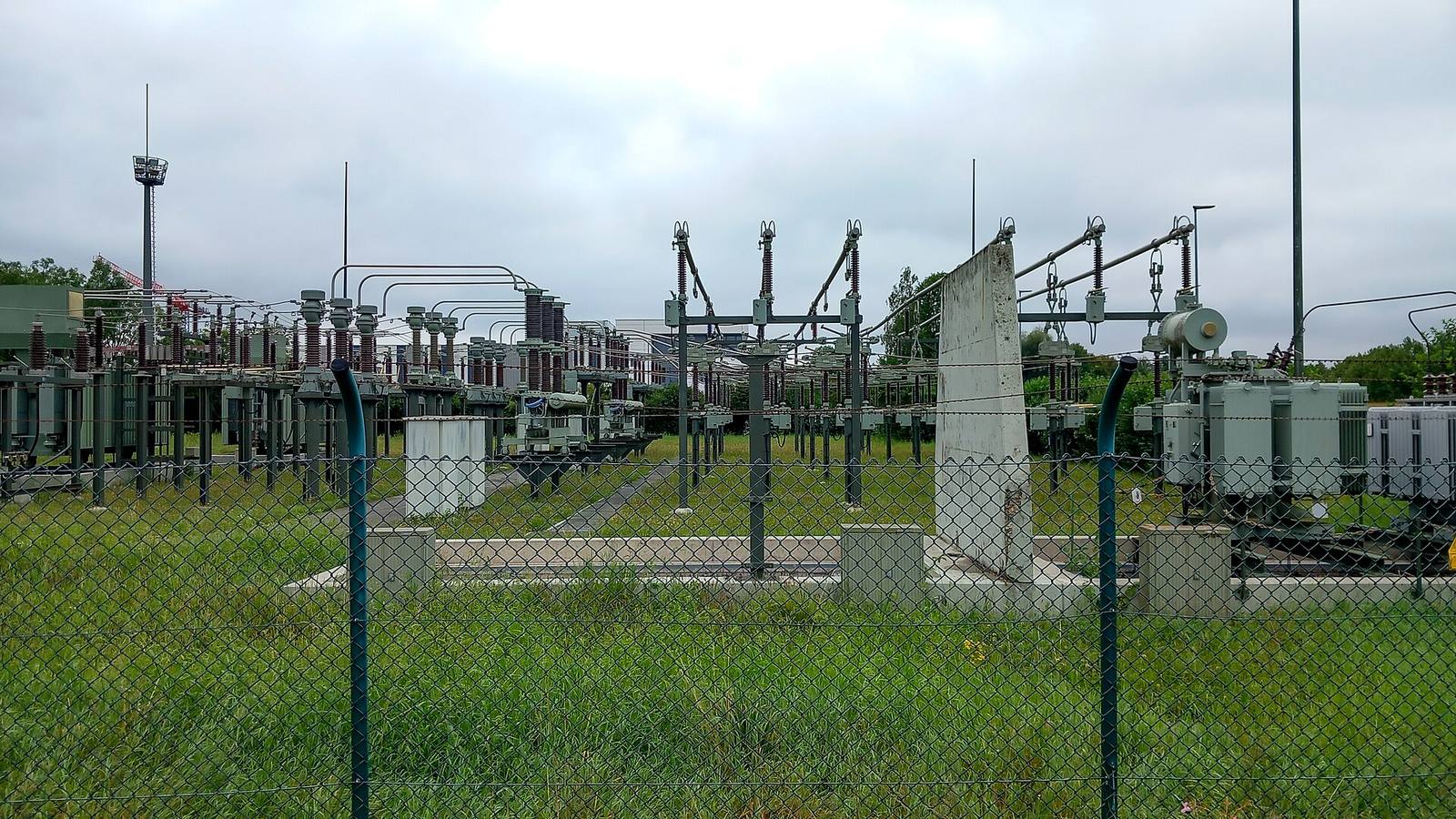
Sell Substation Transformers in Felton, DE
A substation transformer can become a selling question when a project changes, equipment is taken out of service, or a surplus unit no longer fits the owner’s plans. For a seller in Felton, Delaware, the first useful step is to describe the equipment accurately. Substation transformers vary, so an assumed rating or configuration should not stand in for identification.
We buy used and surplus transformers and make cash offers, including for substation units. We buy all voltage classes, and seller testing is not required to receive an offer. Payment is upfront, and freight is covered. An actual buyer’s assessment informs any offer; these commitments do not mean every unit has the same value or outcome.
Identify the Unit Before Discussing a Sale
Substation equipment may serve a different role from a compact distribution transformer, but the name alone does not establish its design or condition. A unit may have details such as a tank, bushings, radiators, gauges, or accessory fittings; configurations differ. Record only information that is already available, rather than assuming a feature or specification from appearance.
The nameplate can help establish what is being considered. If it is safely accessible, readable photographs or transcribed details may be useful, including manufacturer, model or serial information, primary and secondary voltage, phase, and rating where shown. Do not approach energized equipment or take a photograph unless the nameplate can be reached safely by an authorized person.
Why Nameplate Details Matter
Primary and secondary voltage help distinguish a unit’s electrical characteristics, while phase and rating add context. Manufacturer and model information can help identify the equipment, and other plate details may clarify its configuration. None of these fields alone proves suitability, condition, or market value. A buyer considers available information together rather than treating one number as a complete description.
The same care applies when a seller knows only part of the nameplate. Share what can be read and note what is unavailable; do not guess at missing data. If the manufacturer name is visible, it is useful identification, not evidence of a particular history, affiliation, or service record. Existing equipment records can help fill gaps when available.
Describe Condition and Ownership
Condition matters, but it can be described without a seller conducting tests. Existing records may mention operating status, known damage, leaks, maintenance, prior service, or storage, if those details are documented. Not every transformer is liquid-filled, and a visible feature should not be used to infer internal condition. Be clear about known issues and distinguish records from estimates or assumptions.
Confirm that the seller is authorized to discuss and transfer the equipment. Ownership and any required internal approval can affect how a transaction proceeds. The buyer can review the unit’s description and available records as part of its assessment. There is no need to arrange seller testing to request an offer, and no condition should be represented as verified when it is not.
Quantity, Location, and Access
For multiple substation transformers, identify the quantity and provide separate details where units differ. Similar appearance does not establish matching voltage, phase, manufacturer, condition, or accessories. Describe the equipment’s location as Felton, Delaware, and explain access considerations that are already known. These details help frame the discussion without implying anything about a particular facility or local operating conditions.
Access, project schedule, and freight coordination can be discussed with the buyer. Share relevant constraints, such as planned availability or site requirements, without attempting to prepare or move equipment yourself. Qualified professionals should handle work involving electrical equipment, removal, rigging, handling, and transport. Freight is covered as part of the buyer’s service commitment; coordination still depends on the transaction details.
Requesting a Buyer’s Assessment
To start a conversation, gather readable nameplate information, existing records, and safe photographs if available. Include quantity, known condition, ownership status, location, and any relevant access or schedule considerations. Keep the description factual and identify unknowns plainly. The buyer’s assessment, rather than a seller’s unsupported estimate, informs any offer for the used or surplus transformer.
A seller in Felton can discuss the available equipment directly with the buyer without arranging testing first. The buyer makes cash offers, buys all voltage classes, pays upfront, and covers freight. Those are service commitments, not a promise of a particular offer or outcome. Clear identification and practical transaction details give both sides a sound basis for considering a sale.