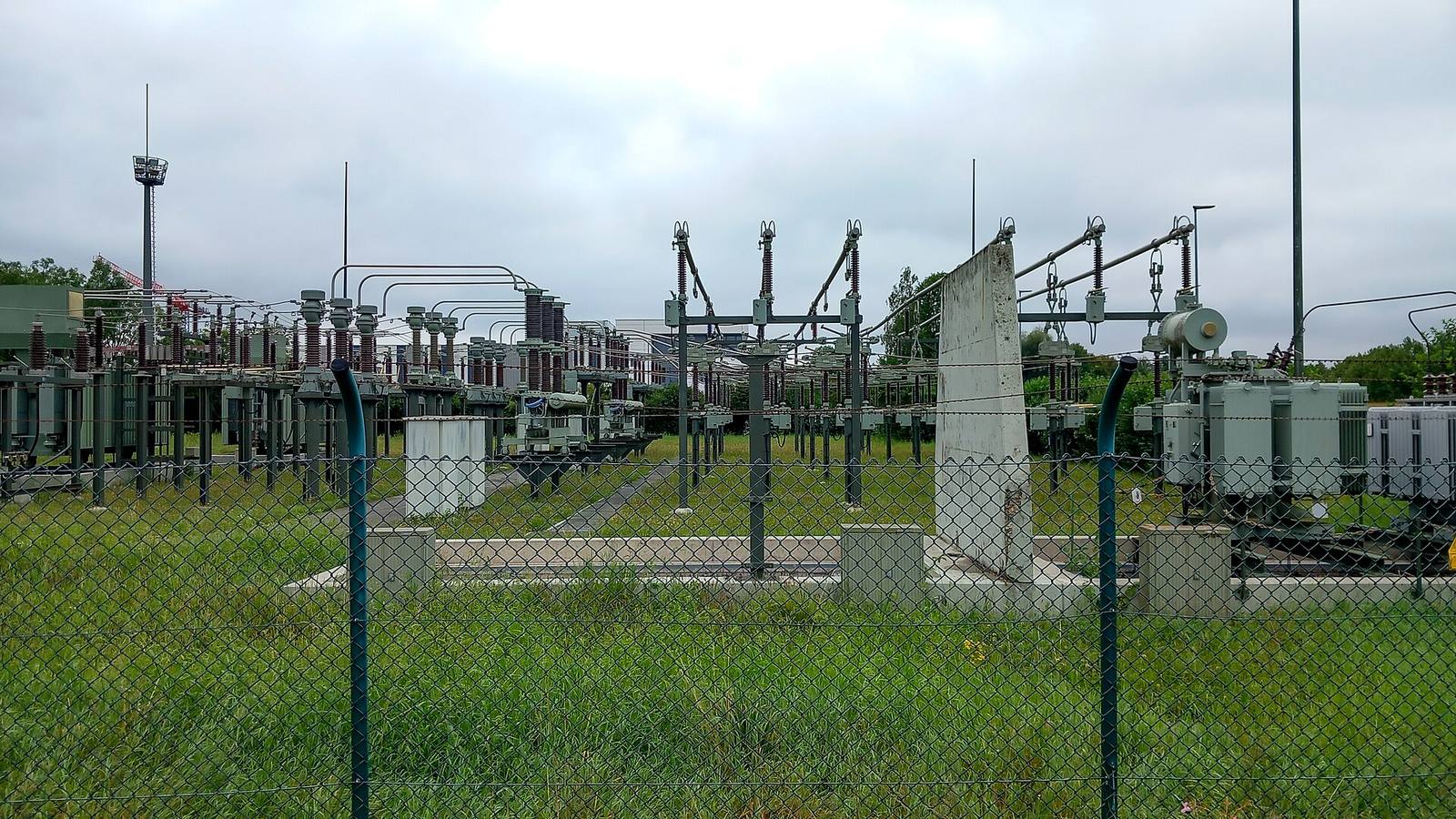
Sell Substation Transformers in Milton, DE
A used substation transformer can represent a substantial asset, but its value depends on more than the fact that it came from a substation. For sellers in Milton, Delaware, the first useful step is to identify the unit and gather information already available. A buyer purchases used or surplus transformers and makes cash offers based on an assessment of the equipment and sale details.
The buyer purchases transformers across all voltage classes, pays upfront, does not require seller testing, and covers freight. Those commitments can help clarify the transaction early, while leaving the actual offer dependent on the specific equipment. Whether the unit is available after a project change, replacement, or surplus review, share what is known rather than guessing at missing details.
Start With Readable Equipment Information
Substation transformers may be part of larger equipment arrangements, so a clear identification record can help distinguish one unit from another. Existing asset records, purchase documents, prior descriptions, or a readable nameplate may show the manufacturer, model, serial number, primary and secondary voltage, phase, and other ratings. Share only information that is already available and safe to access.
Do not approach energized equipment or try to reach a nameplate for a photograph. If the plate is safely accessible, a legible image can help convey its wording and layout; otherwise, written records or details collected by qualified personnel are useful. If a brand appears, report it as shown, without assuming a particular ownership history or manufacturer relationship.
Explain the Unit’s Configuration
Voltage information should be reported as marked, including both primary and secondary voltage where available. Phase, frequency, kVA or other capacity markings, winding or connection information, cooling details, and accessory descriptions may also help an actual buyer assess the unit. These details are useful because substation equipment can differ substantially; no single rating alone establishes suitability, configuration, or value.
Include manufacturer, quantity, and any identifying model or serial information when records provide it. If several transformers are available, clarify which records belong to each unit and whether the equipment is being offered together or separately. Avoid filling gaps with estimates. A buyer can review the available information and discuss anything unclear as part of assessing a possible offer.
Describe Condition Without Seller Testing
Condition matters, but seller testing is not required to receive an offer. Share existing condition information such as prior inspection notes, service records, known damage, storage history, or documented operational status, if available. Distinguish observed facts from assumptions, and mention when information is incomplete. An actual buyer's assessment, rather than a seller's test report alone, informs any offer.
Substation transformers may have exterior components, controls, bushings, radiators, or other accessories that affect how a unit is described. Do not handle equipment or conduct inspections for the sake of preparing a sale. Existing photographs can be shared when they were taken safely; qualified professionals should manage any work involving access, testing, or equipment condition review.
Clarify Ownership, Quantity, and Access
Before discussing a sale, identify who is authorized to represent the equipment owner and confirm which unit or units may be offered. Useful context includes quantity, current location, known ownership documentation, and whether other equipment is included in the proposed transaction. Access arrangements and project schedules can be discussed, but no specific site conditions should be assumed from the seller’s location.
A transformer may be offered alone or alongside associated components, and the distinction can affect how the equipment is evaluated and freight is coordinated. Describe what is included based on records or direct knowledge. If responsibility is shared among an owner, facility representative, or project contact, establish who can answer questions and coordinate the transaction before making commitments on anyone’s behalf.
Discuss the Offer and Freight Coordination
Once equipment details and seller priorities are available, the buyer can assess the transformer and make a cash offer. Payment is upfront, freight is covered, and seller testing is not required. These are service commitments, not a promise that every unit will receive the same offer or outcome; the actual buyer’s assessment informs the offer for the specific equipment.
For a practical review, provide existing records, readable nameplate details, and photographs only when safely accessible. Condition, ownership, quantity, access, project schedule, and freight coordination can then be discussed. Sellers in Milton can share the information they have without assuming that a particular rating or brand determines value, or that additional testing is needed before an offer can be considered.