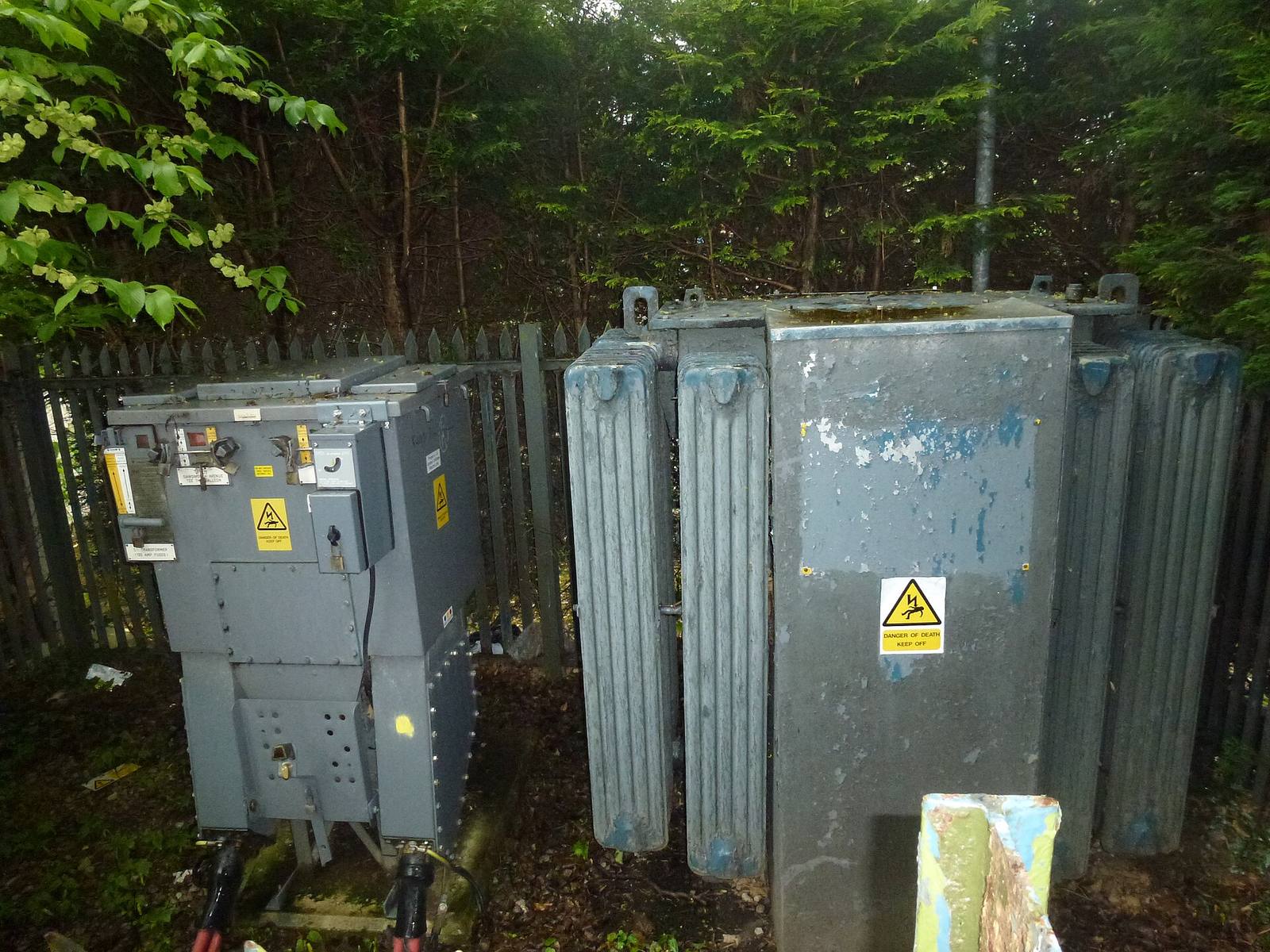
Sell Surplus Transformers in Bridgeville, DE
Surplus transformers can occupy valuable space and complicate a facility transition, equipment upgrade, or inventory review. For sellers in Bridgeville, Delaware, the practical first step is identifying what is available and gathering information that can help a buyer assess it. The buyer purchases used or surplus transformers and makes cash offers; the seller need not arrange testing to request an offer.
A surplus unit may be stored, disconnected, or part of a larger equipment project, but its history and condition should not be assumed. Useful details can include how many units are available, where they are located, whether ownership is clear, and what access or schedule considerations may affect a potential transaction. An actual buyer's assessment informs any offer.
Gather Readily Available Equipment Details
Start with existing paperwork and readable nameplate information, if available. The plate may identify a manufacturer, model, serial number, phase, and primary and secondary voltage, along with other ratings or markings. These details help distinguish one unit from another and give the buyer a basis for understanding the equipment without relying on assumptions drawn from a single rating.
If records are incomplete, share what can be confirmed and note what is unknown. A stated voltage or kVA rating alone does not establish a transformer's application, configuration, or suitability. For a brand such as GE, Siemens, or another manufacturer, report the name exactly as shown rather than inferring its age, ownership history, or relationship to a particular seller or buyer.
Describe Condition Without Guesswork
A straightforward condition description is more helpful than a broad label such as good or bad. Sellers can report visible damage, missing components, known leaks, storage conditions, or whether the unit's operating history is documented, when those facts are already known. Do not approach energized equipment or attempt to inspect it for this purpose; share only information that is safely available.
Seller testing is not required to receive an offer. If test reports or maintenance records already exist, they may help explain the unit's history, but their absence should simply be stated. A description should separate observed facts from uncertainty, especially when a transformer has been stored for a long period or its prior operating status is not known.
Clarify Quantity, Ownership, and Access
For one transformer or a group, provide the quantity and identify which records or nameplates correspond to each unit. When several units are involved, note whether they appear similar or have different markings, without assuming that matching appearance means matching specifications. Clear identification helps the buyer review the available equipment as a specific surplus inventory rather than an indistinct group.
Confirm that you are authorized to discuss the equipment and explain any access restrictions or relevant project schedule. Location here means the seller's equipment location in Bridgeville; no particular local facility or site condition should be presumed. If ownership involves another party, resolve who can authorize a sale before treating the transformer as available for purchase.
Plan Freight Coordination Safely
Freight is covered by the buyer, which can make the purchase discussion simpler for a seller arranging a surplus disposition. Transportation still requires coordination around the equipment's location, access, quantity, and timing. Share practical site constraints and the appropriate contact for coordination; qualified professionals should handle any removal, rigging, handling, and transport work.
Do not move equipment or attempt disconnection, loading, or other hazardous work as part of preparing an inquiry. If photographs would clarify identification or visible condition, provide only images that can be taken safely from an accessible position. A nameplate photograph is useful only when the plate is safely accessible; no one should approach energized equipment to obtain it.
Request an Offer With Available Information
To begin, send the readable nameplate details and existing records you have, together with a concise condition description, quantity, and equipment location. Add any known ownership, access, or schedule considerations that could affect coordination. Missing paperwork or unavailable seller testing does not change the stated purchase terms: the buyer buys used or surplus transformers, makes cash offers, and does not require seller testing.
The buyer purchases transformers across all voltage classes, so a seller need not screen a unit out based on its voltage class. The buyer covers freight, and payment is upfront. These commitments do not determine whether a particular unit will receive an offer or establish its value; the buyer's assessment of the available information informs any offer.