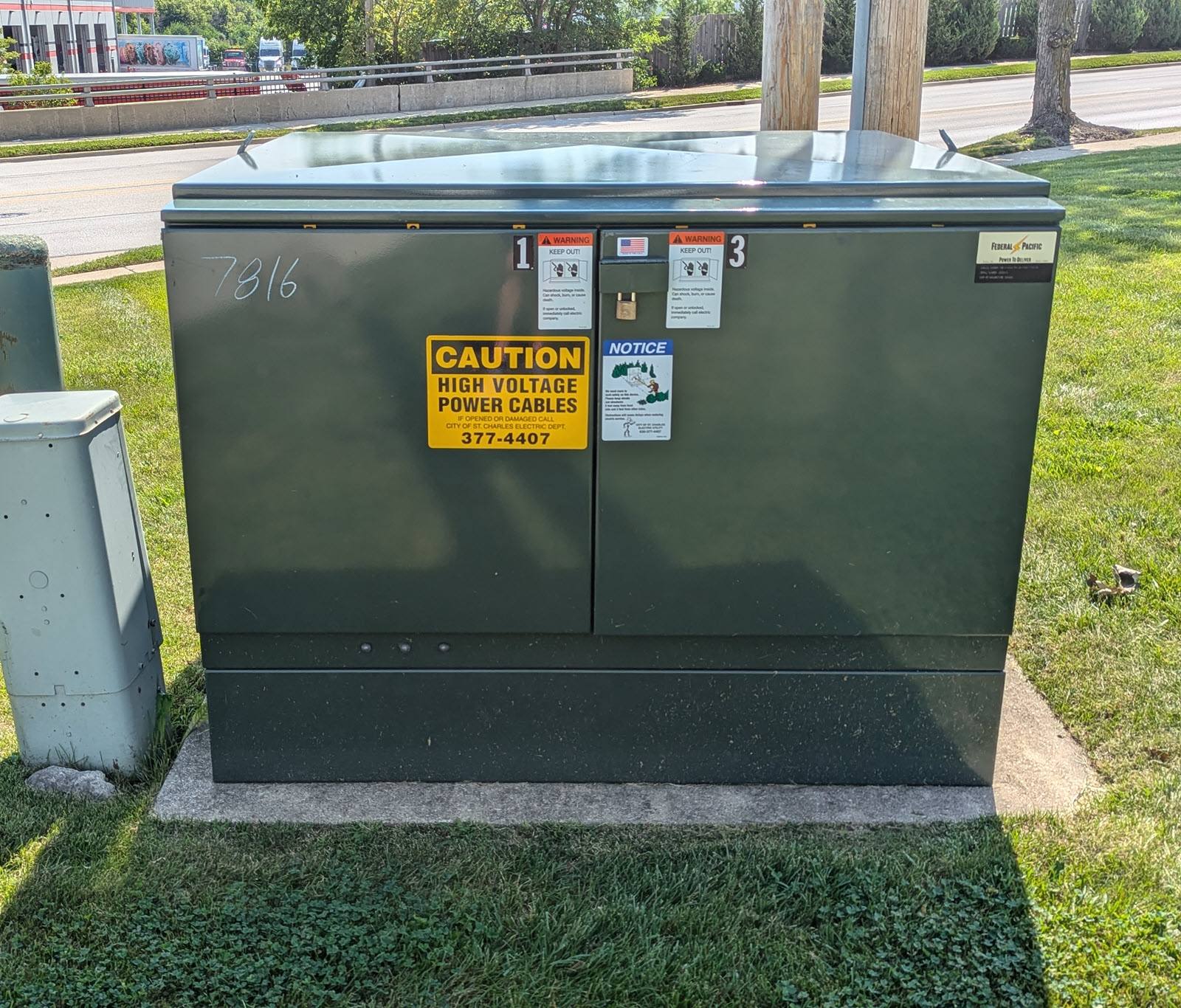
Sell Surplus Transformers in Laurel, DE
When a transformer becomes surplus, the next decision is whether to keep it for a future need or seek a buyer. If you are responsible for equipment in Laurel, Delaware, start by gathering what is already known about the unit. A clear description helps an actual buyer assess it before freight coordination enters the discussion.
A surplus transformer may be held as a spare, removed from a project, or no longer needed after an equipment change. The reason it is available can help explain its context, but it does not establish its condition or value. Buyers need unit-specific information, and an offer follows assessment rather than an assumption based on location or category.
Start With the Nameplate
Read the nameplate details that are present and legible, provided they can be accessed safely. Useful information may include manufacturer, model or serial identifiers, primary and secondary voltage, phase, kVA rating, frequency, and any listed insulation or connection details. Not every plate contains every item, and missing information can be noted rather than guessed.
Primary and secondary voltage both matter because they describe different sides of the transformer; phase and manufacturer can also help distinguish one unit from another. A rating alone does not describe the whole asset. Other plate details, quantity, condition, and location may all inform an actual buyer's assessment, without implying a particular application or installation.
Describe the Equipment Honestly
Alongside nameplate information, share what is already known about the unit's condition. Existing records might describe storage, operating status, prior inspection, known damage, or missing components. These details help set expectations, but seller testing is not required to receive an offer. Do not create new inspection or testing work solely to prepare an inquiry.
If the transformer is liquid-filled, existing records about the fluid or prior service may be useful; if its construction is unknown, say so. Do not assume every transformer contains liquid or that a visible mark establishes a technical finding. Safe, existing photographs can add context, but do not approach equipment or take a nameplate photo unless it is safely accessible.
Clarify Quantity and Ownership
Tell the buyer how many transformers are available and whether they are similar or different units. For multiple pieces, separate the information by unit where possible, so a rating or condition note is not mistakenly applied to the entire group. Include any associated parts only if their presence is known; do not infer completeness from appearance or older paperwork.
Be ready to discuss ownership and your authority to represent the equipment. An authorized facility representative can share relevant records and explain whether the units are company-owned, surplus to a project, or otherwise available for sale. If ownership is shared, restricted, or not yet confirmed, clarify that before proceeding. This helps keep the assessment grounded in the seller's actual circumstances.
Discuss the Offer Before Freight
The buyer purchases used or surplus transformers and makes cash offers after assessing the information provided. Payment is upfront, seller testing is not required, and freight is covered. All voltage classes are bought. These service commitments can help you evaluate whether to pursue a sale, while the unit's details and actual assessment inform any offer.
Before logistics, discuss the equipment's condition, quantity, location, access, and project schedule. Freight coordination can then be considered in light of the actual equipment and seller's circumstances. Do not assume that a particular unit will be accepted or that its location determines an outcome. A useful initial inquiry is factual, concise, and based on information already available.
Prepare a Useful Inquiry
For a first conversation, gather readable nameplate information, existing records, and safe photographs if available. Note the Laurel, Delaware location, the number of units, and what is known about their condition. You can also mention whether access or timing may affect a potential freight arrangement. There is no need to test the transformer before requesting an offer.
A clear inquiry gives the buyer practical material to review without asking you to make unsupported claims about age, performance, or suitability. Identify unknowns plainly and let the actual assessment guide next steps. If the equipment is no longer needed, sharing its documented details is a straightforward way to explore a cash offer while keeping logistics for later discussion.