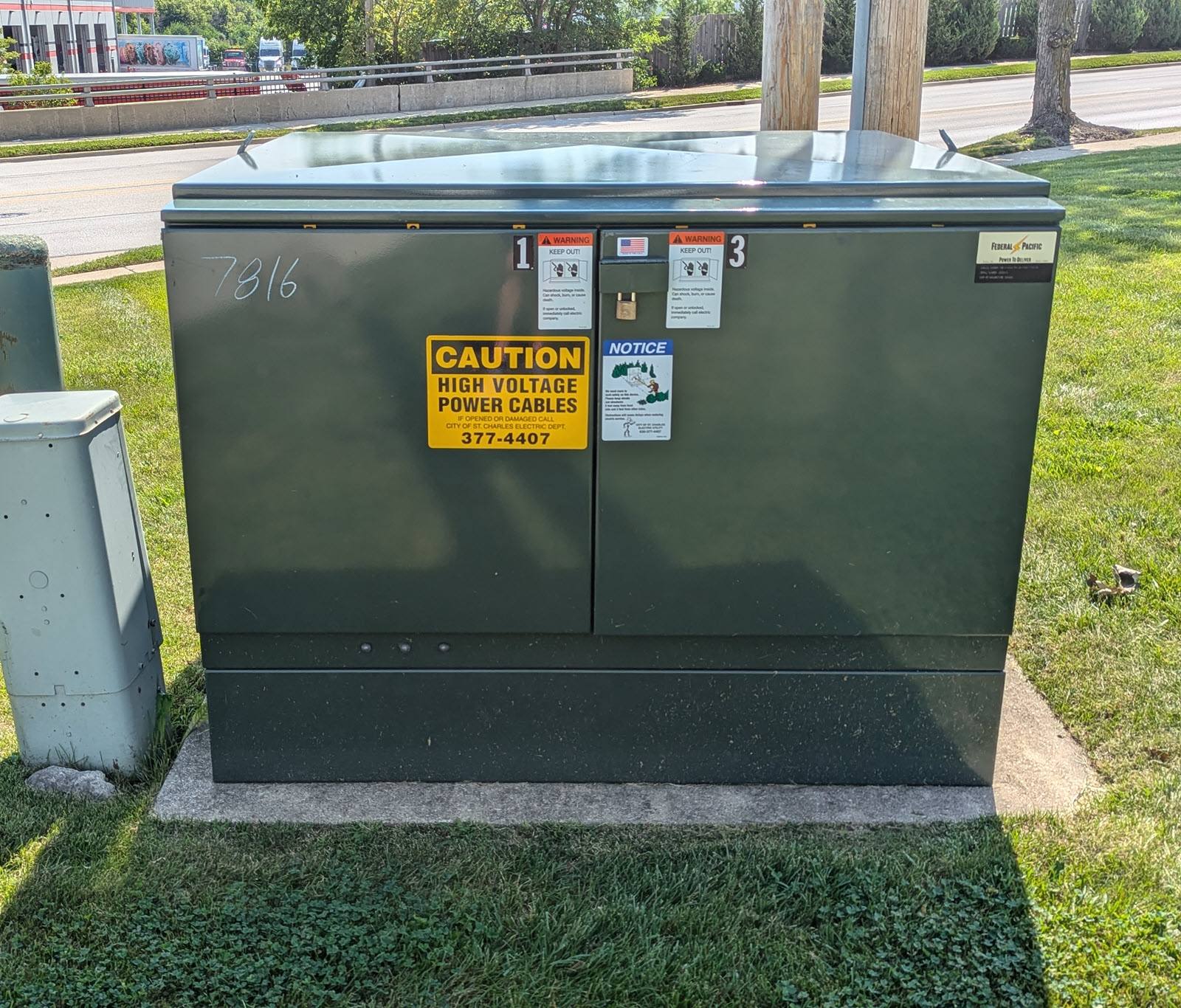
Sell Surplus Transformers in Milford, DE
Surplus transformers take up valuable space and can complicate a facility’s equipment inventory after a project change, replacement, or operating shift. For sellers in Milford, Delaware, the practical first step is to establish what equipment is available and who is authorized to discuss it. A used-transformer buyer purchases surplus units and makes cash offers based on the information provided and its assessment.
You do not need to arrange seller testing to receive an offer. The buyer purchases used or surplus transformers, pays upfront, covers freight, and buys transformers across all voltage classes. These commitments can simplify planning, but they do not mean every unit will receive the same offer. Equipment details and the buyer’s assessment inform the terms.
Confirm Ownership and Sale Authority
Before gathering equipment information, confirm that your organization owns the transformer or has authority to sell it. Surplus equipment may remain subject to internal approvals, project records, or another party’s ownership rights. Knowing who can approve a sale helps keep discussions focused and avoids treating equipment as available before the responsible representative has confirmed its status.
A seller can also identify the person authorized to coordinate questions about the equipment, access, and freight. This is especially useful when records are held by a different department or the unit is at a location managed by someone else. Ownership, access, condition, quantity, and project schedule can be discussed with the buyer as part of evaluating the opportunity.
Gather Readable Equipment Details
Existing records can help identify a transformer without requiring a new inspection or test. Useful information may include manufacturer, model or serial details, primary and secondary voltage, phase, kVA rating, and any other readable nameplate information. These details help distinguish similar units and give the buyer a clearer basis for assessing what is being offered, without presuming how the transformer was used.
If a nameplate is safely accessible, a clear photograph may help convey its wording and ratings; do not approach energized equipment or take a photograph unless it is safely accessible. Share only information already available when access is uncertain. A named brand identifies the manufacturer shown on the plate, but does not establish an affiliation, equipment history, or particular condition.
Describe Quantity and Condition
State how many transformers are available and whether the quantity is firm or still being confirmed. For multiple units, note any known differences in ratings, manufacturers, or condition rather than assuming they match. Existing inventory records can be useful, and clear distinctions reduce the chance that a buyer evaluates one unit using details intended for another.
Describe condition in terms you can support, such as whether records identify the unit as operating, stored, or removed from service. Do not infer internal condition from appearance or assume that a unit has a particular fluid, test history, or environmental status. Seller testing is not required to receive an offer; the buyer’s assessment, using available information, informs any offer made.
Coordinate Location, Access, and Freight
Milford is the seller’s location for discussing the equipment, not a substitute for confirming where each transformer is situated. Tell the buyer the equipment’s actual location and share relevant access information through the authorized representative. Access conditions, the number of units, and any site scheduling constraints can affect how freight coordination is discussed, so raise known limitations early.
Freight is covered by the buyer, while coordination still needs accurate information about the equipment and site. The seller should not attempt to disconnect, move, load, or prepare a transformer for transport; qualified professionals should handle electrical work, removal, rigging, handling, and transport. Discuss the project schedule and access arrangements with the buyer so the logistics can be considered responsibly.
Request an Offer with Useful Context
When ready, contact a used or surplus transformer buyer with the records and safely obtained information available. Include readable nameplate details, quantity, known condition, location, ownership authority, and any access or schedule considerations. You do not need to provide a test report as a condition of requesting an offer. If a detail is unknown, identify it as unknown rather than guessing.
The buyer purchases used or surplus transformers, makes cash offers, pays upfront, covers freight, and buys all voltage classes. These service commitments do not establish that a particular unit will receive an offer or determine its amount; the actual buyer’s assessment informs any offer. For a Milford seller, clear equipment information and practical coordination details support a useful conversation about surplus inventory.