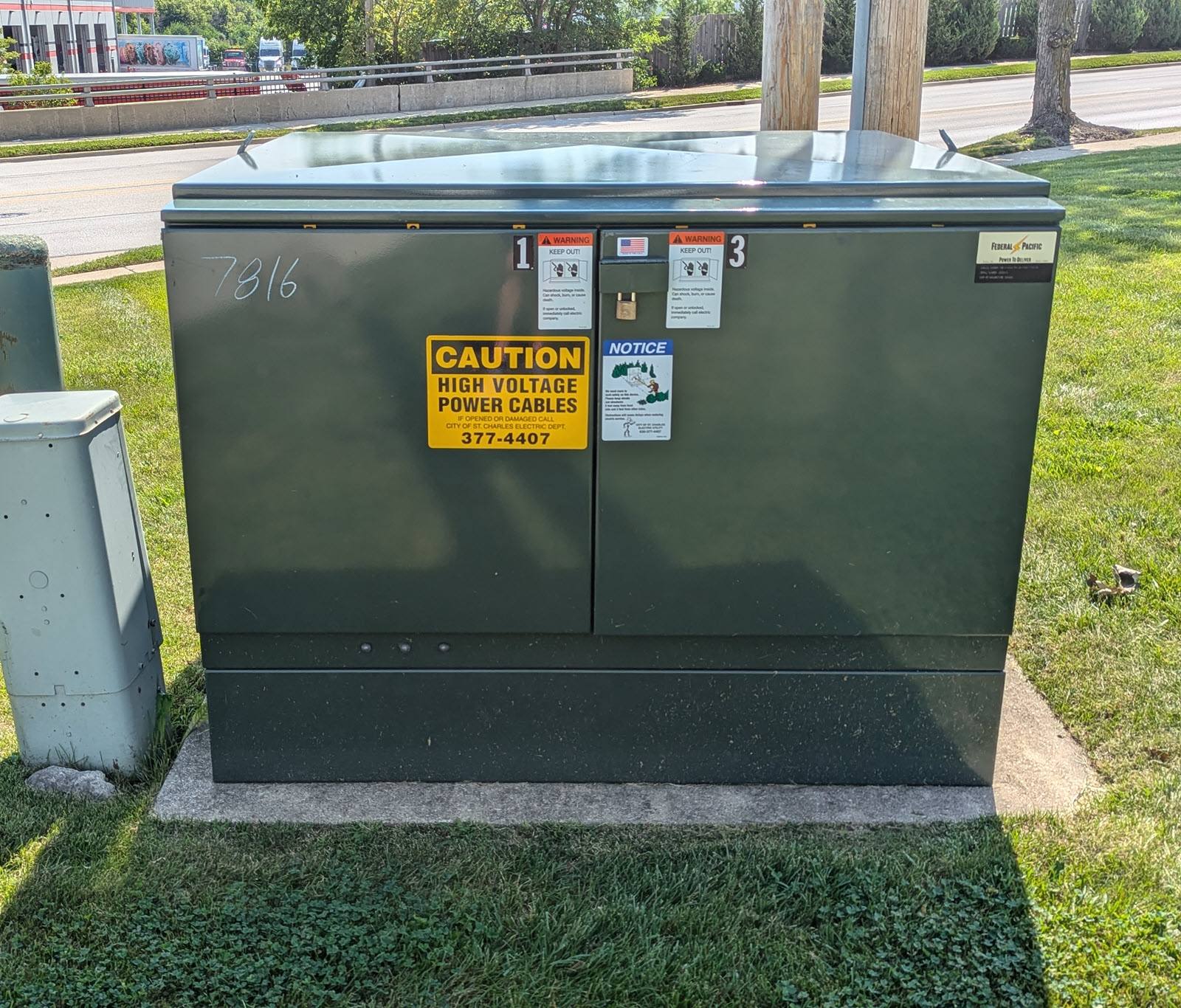
Sell Used 600-Volt Transformers in Delaware
Identifying a used 600-volt transformer is the first step; preparing an offer is a separate assessment. Start by confirming that the equipment is associated with a 600-volt system, then gather readable nameplate details and existing records if available. The buyer purchases used or surplus transformers in Delaware and makes cash offers based on the asset presented.
An identified voltage alone does not establish the transformer’s full configuration or value. A 600-volt figure may refer to a primary or secondary rating, and those are not interchangeable. Phase, manufacturer, condition, quantity, location, and other nameplate information can help the buyer assess what is being offered. No seller testing is required to receive an offer.
Confirm What the 600-Volt Rating Describes
Check the nameplate, when it can be read safely, to determine whether 600 volts is listed as primary voltage, secondary voltage, or part of a multi-voltage arrangement. The distinction matters when describing an asset, particularly if records refer to a different side of the transformer. Do not infer the complete configuration from a single voltage marking.
Other plate information may include phase, frequency, kVA rating, manufacturer, model, serial number, impedance, and connection details. These fields help distinguish units that share a 600-volt marking but differ in other ways. Record only information that is available and readable; do not assume an unlisted specification or treat a particular rating as proof of an installation type.
Use Records to Add Context
Existing equipment schedules, purchase records, prior inventory notes, or maintenance documents can help explain the transformer’s identity and status. Share what is on hand rather than arranging new testing for the purpose of requesting an offer. If documents use abbreviations or conflict with a nameplate, point out the discrepancy so the buyer can consider it during the assessment.
Manufacturer and model information can also be useful, but a name does not establish the unit’s history, ownership, or relationship to any seller. If the plate is safely accessible, provide a clear photograph alongside any readable text. Do not approach energized equipment or take a photograph unless it is safely accessible; qualified professionals should handle work around electrical equipment.
Describe Condition and Quantity Clearly
A concise condition description helps distinguish known observations from assumptions. Note whether the transformer is described in existing records as operating, stored, surplus, or out of service, and disclose visible concerns only when they can be observed safely. Do not open equipment or perform checks to create a condition report. The buyer’s assessment informs any offer; no particular outcome is promised.
Include the number of units and whether they appear to share the same nameplate details. Several transformers may carry the same 600-volt marking while differing in phase, primary or secondary rating, manufacturer, condition, or other information. If details vary, separate the descriptions where practical. A readable photograph of each safely accessible nameplate can reduce confusion between units.
Coordinate Location, Access, and Freight
Provide the seller’s location and explain any known access considerations that could affect freight coordination. Location is relevant to arranging shipment, but it does not change the basic asset-identification process. Do not move, disconnect, rig, or prepare a transformer for transport based on this article. Such work should be handled by qualified professionals familiar with the equipment and site requirements.
Freight is covered by the buyer as part of its service commitment. The seller can discuss access, project schedule, and freight coordination with the buyer without arranging transport independently. Useful context may include whether the unit is indoors or outdoors, if that is already known, and any documented restrictions. Avoid guessing about equipment weight, loading conditions, or handling needs.
Prepare the Offer Request
For a useful request, bring together the 600-volt identification, available primary and secondary voltage details, phase, manufacturer, other readable nameplate information, quantity, condition, and seller location. Add existing records and safe photographs when available. These details support an actual buyer’s assessment, but they do not guarantee acceptance or establish a price before review.
The buyer purchases used and surplus transformers across all voltage classes, makes cash offers, pays upfront, and covers freight. Seller testing is not required. Once the available information is shared, condition, ownership, access, project schedule, and freight coordination can be discussed as relevant to the assessment. Keep the description factual, and do not infer specifications or condition that the records do not support.