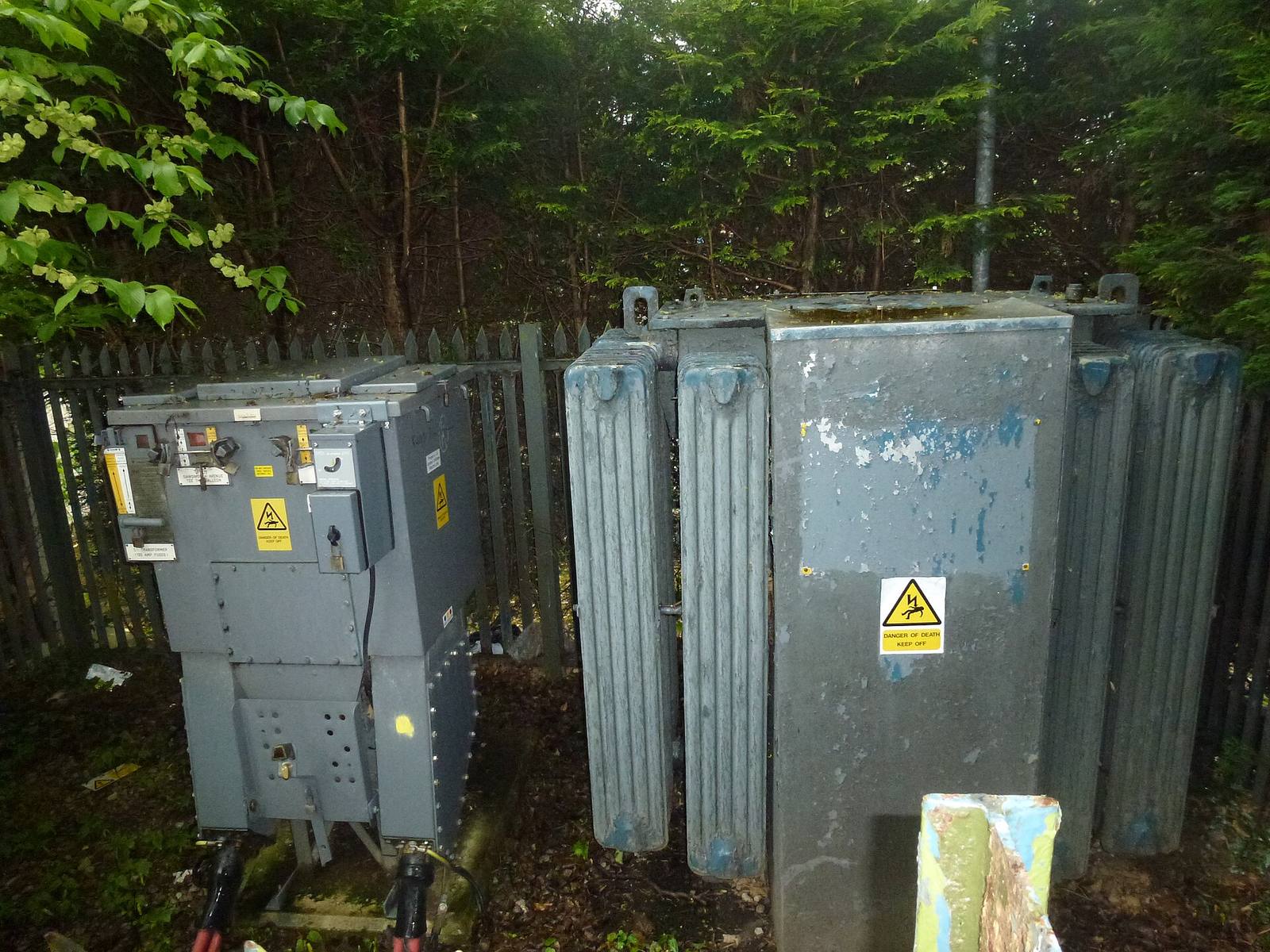
Sell Used 750 kVA Transformers in Delaware
When a 750 kVA transformer is no longer needed, the owner may be weighing storage, a planned equipment change, or sale. Before coordinating logistics, gather the information that helps a buyer understand the unit and prepare an informed cash offer. The rating identifies capacity, but it does not tell the complete story of the transformer or its suitability for a particular buyer.
A buyer purchases used or surplus transformers and makes cash offers, including for 750 kVA units in Delaware. Payment is upfront, seller testing is not required, freight is covered, and all voltage classes are bought. These commitments make it possible to begin with available records and nameplate details rather than commissioning tests simply to request an offer.
Start With the Complete Nameplate
A readable nameplate can establish the stated kVA rating and provide details that distinguish one 750 kVA transformer from another. Depending on the unit, it may show manufacturer, serial or model information, primary and secondary voltage, phase, frequency, impedance, insulation or temperature information, and other design data. Share what is legible; do not infer missing values from the rating.
Primary and secondary voltage both matter because the rating alone does not identify the unit’s electrical configuration. Phase also helps describe the equipment, while manufacturer and other marked details can help identify its design. No voltage class or kVA rating by itself establishes where a transformer was used or what application it can serve.
Describe the Unit’s Condition
Condition gives context that a nameplate cannot provide. Explain what is known about whether the transformer is operating, stored, removed from service, damaged, or otherwise surplus, and mention visible issues or missing components if known. Do not guess at internal condition or make a claim beyond the records or observations available to the authorized representative.
Seller testing is not required to receive an offer. Existing inspection or maintenance records may be useful, but their absence need not prevent an initial discussion. If sharing photographs, use only images already available or take them where the equipment can be photographed safely. Do not approach energized equipment or put yourself at risk to obtain a nameplate image.
Clarify Quantity and Ownership
State whether the opportunity involves one 750 kVA transformer or several units, and whether the group includes equipment with different ratings or nameplate details. Quantity can affect how a buyer evaluates the opportunity and plans freight. If multiple units are involved, identify each one as clearly as available records allow instead of treating unlike transformers as interchangeable.
The seller or authorized facility representative should be able to discuss ownership and authority to sell. If ownership is held by another party or is subject to an approval process, explain that early. These details help the buyer understand the transaction being considered; they do not substitute for an actual buyer’s assessment of the equipment and the information provided.
Discuss Location Before Freight
Share the transformer’s location in Delaware so freight coordination can be discussed for the actual unit and site. The location is a planning detail, not evidence of a particular installation, access route, site condition, or local requirement. Describe access only to the extent known, including any constraints that an authorized representative can accurately report.
Freight is covered. That commitment does not remove the need to coordinate the shipment for the specific equipment and location. The buyer and seller can discuss access, the project schedule, and freight coordination before arranging next steps. Do not attempt to move, disconnect, load, or otherwise handle a transformer yourself; qualified professionals should manage that work safely.
Prepare a Useful Offer Discussion
A concise set of existing records, legible nameplate information, known condition, quantity, and location gives the buyer a more useful starting point. Include primary and secondary voltage, phase, and manufacturer when those details are available, along with other marked information. Keep uncertain or unreadable details identified as such rather than filling gaps with assumptions about a 750 kVA unit.
An actual buyer’s assessment informs any offer; the rating alone does not establish value or guarantee acceptance. Payment is upfront, and the buyer covers freight, while seller testing is not required. Once the available information is shared, condition, ownership, access, project schedule, and freight coordination can be discussed to determine whether the opportunity is a fit.