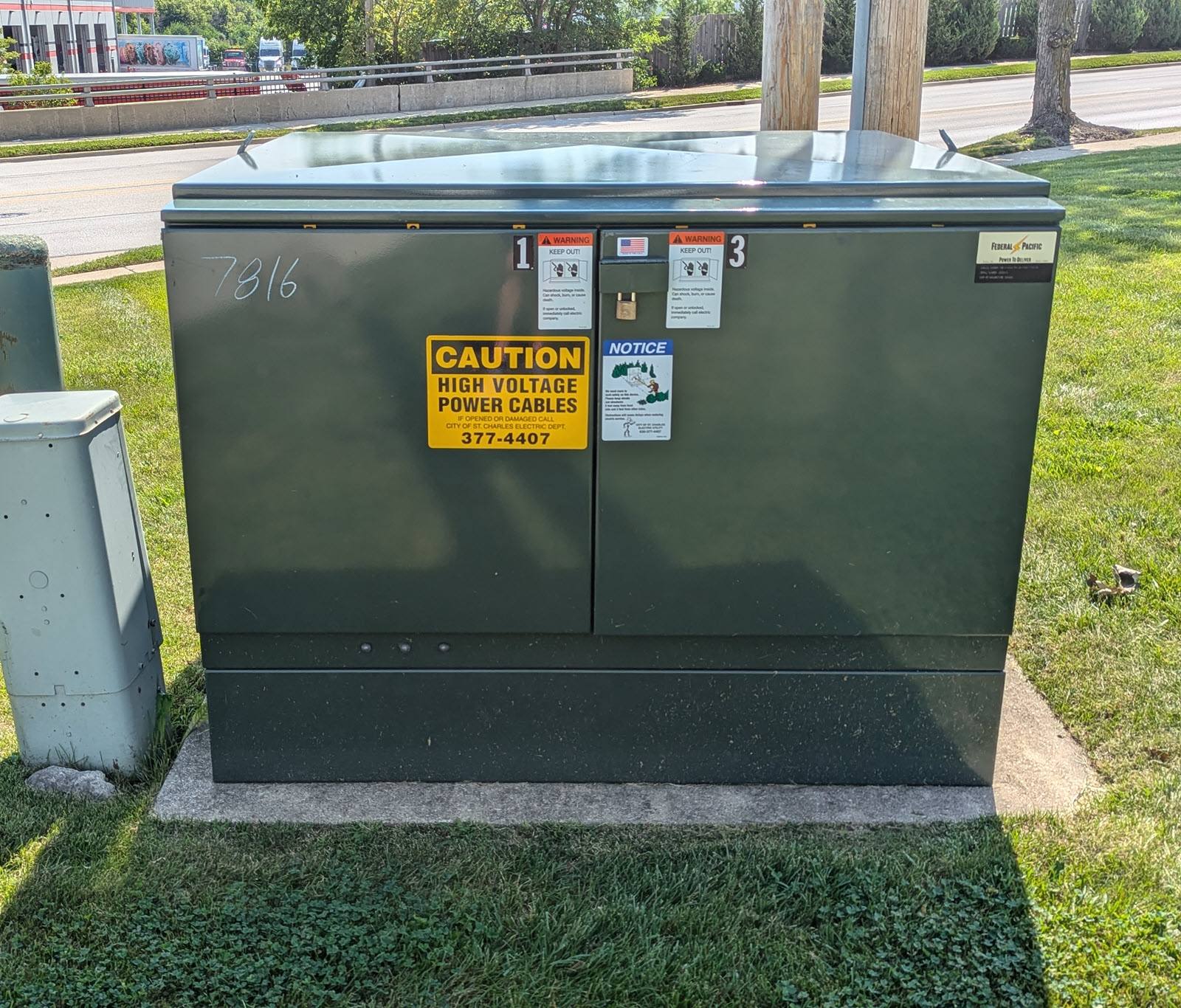
Sell Used Liquid-Filled Transformers in Delaware
A used liquid-filled transformer can represent substantial recoverable value, but the right next step depends on identifying the unit and understanding the seller’s priorities. For owners and authorized facility representatives in Delaware, the buyer purchases used or surplus transformers and makes cash offers. Payment is upfront, seller testing is not required, freight is covered, and all voltage classes are bought.
These commitments can make an inquiry practical even when a unit is idle, surplus, or part of a planned change. They do not mean every transformer receives the same offer or that any particular condition guarantees a sale. An actual buyer’s assessment informs an offer, using available equipment information and the circumstances the seller can share.
Start With Readable Nameplate Details
For a liquid-filled unit, begin with information already available in records or on a safely accessible nameplate. Useful details may include manufacturer, model, serial number, primary and secondary voltage, phase, kVA rating, impedance, frequency, and date code. Not every plate provides every item, and a missing detail need not prevent an initial conversation.
Read primary and secondary voltage together rather than treating one rating as the full description. Phase, manufacturer, capacity, and other nameplate details can also help distinguish equipment and inform an assessment. If the plate is unclear, share only what can be read; do not approach energized equipment or take a photograph unless it is safely accessible.
Describe the Liquid-Filled Equipment
Liquid-filled identifies an important equipment category, but it does not by itself establish the unit’s fluid type, condition, operating history, or handling requirements. Existing records may identify fluid, maintenance, leaks, prior service, or storage circumstances. Share records you have, while avoiding assumptions about contents or environmental status that the documentation does not support.
The equipment’s visible condition may also matter to the assessment. Relevant observations could include whether the tank appears damaged, whether there are signs of leakage, and whether accessories or components are present or missing. Provide only observations that can be made safely. Seller testing is not required to receive an offer, and no particular condition or feature guarantees acceptance.
Clarify Ownership, Quantity, and Access
Confirm that you are the owner or authorized to represent the equipment before arranging a sale discussion. If several units are surplus, provide the quantity and identify which nameplate details belong to each transformer. Separate records and photographs by unit where possible; this helps prevent one transformer’s specifications or condition notes from being attributed to another.
Location, site access, and freight coordination are also useful topics to discuss. Share the equipment’s location at a level appropriate for an initial inquiry, along with known access constraints or relevant scheduling considerations. Freight is covered by the buyer, while coordination can be discussed for the specific equipment. Do not assume that coverage removes the need to plan access safely.
Prepare Information Without Testing
A concise inquiry can bring together readable nameplate information, existing records, quantity, condition observations, ownership authority, location, and project schedule. Safe photographs may help clarify a plate or visible exterior details when they are already accessible. There is no need to create a test report for an inquiry, and no one should put themselves at risk to obtain additional information.
If records are incomplete, say what is known and what remains uncertain. A model number, serial number, or legible rating may help identify a unit, but the buyer’s assessment considers the available information in context. Avoid estimating technical values from appearance or treating an old document as proof of the transformer’s current condition.
Discuss an Offer and Freight Coordination
Once the buyer has information about the equipment, the seller can discuss the unit, quantity, location, access, and schedule as appropriate. The buyer purchases used or surplus transformers and makes cash offers; the actual buyer’s assessment informs any offer. Payment is upfront. These service commitments do not establish a specific price, acceptance decision, or outcome before assessment.
Freight is covered by the buyer, and all voltage classes are bought, so a seller need not rule out an inquiry based on voltage class alone. Seller testing is not required. Keep the discussion focused on the equipment you are authorized to sell and the records safely available. Clear, accurate details support a practical conversation without promising a particular result.