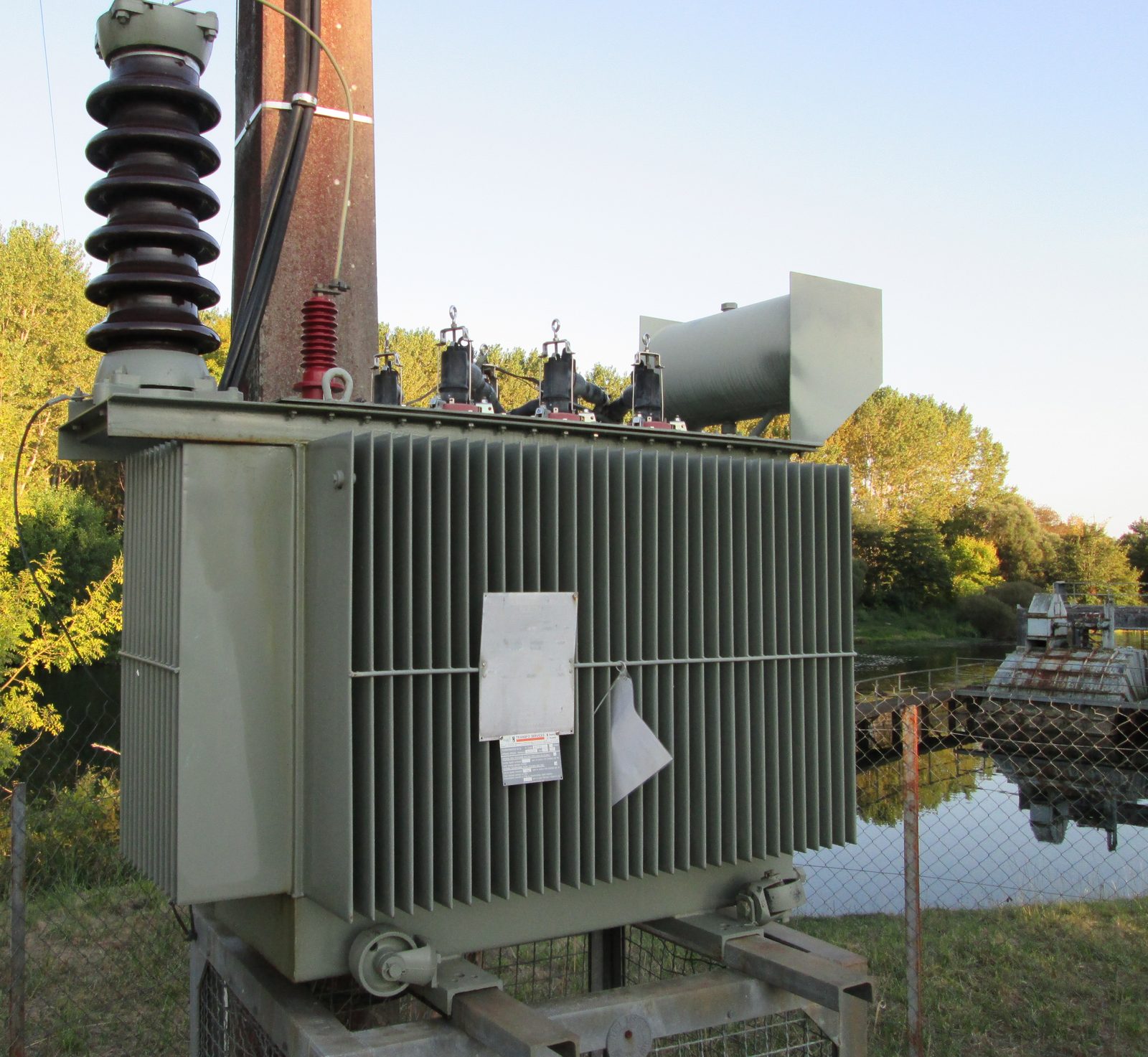
Sell Used Substation Transformers in Delaware
Identifying a used substation transformer and preparing an offer are separate steps. Identification establishes what equipment is present; an offer depends on an actual buyer’s assessment of the available information and circumstances. For Delaware owners and authorized representatives, this page concerns substation transformers specifically, including equipment held in service, retained as surplus, or awaiting a change in project plans.
A substation transformer may be part of a larger electrical asset group, so a preliminary description should distinguish the transformer from associated equipment without treating every item as included in a sale. The buyer purchases used or surplus transformers and makes cash offers. Seller testing is not required, and freight is covered; the eventual assessment still depends on the particular equipment and transaction details.
Start With Readable Equipment Information
Existing records can help establish an asset’s identity without requiring a seller to create new technical documentation. Useful information may include make, model, serial number, primary and secondary voltage, phase, rated capacity, cooling designation, and any legible nameplate notes. Details vary by unit, so provide what is already available rather than filling gaps with assumptions.
For a nameplate photograph, use only an image that is safely accessible; do not approach energized equipment or take a photo from an unsafe position. A clear view may help distinguish similar assets in a group, while an existing inventory or prior record can provide context. If the plate is obscured or unreadable, report that plainly instead of guessing.
Why Ratings and Context Both Matter
A voltage or capacity rating alone does not describe a complete substation transformer. Primary and secondary voltage, phase, manufacturer, condition, quantity, location, and other nameplate details may all matter when an actual buyer evaluates the equipment. Those details help frame the inquiry, but none should be used to presume a particular application, configuration, or offer.
Substation equipment can also differ in construction, accessories, enclosure, preservation, and operating history. Share existing records about those points when available, while separating confirmed information from estimates or recollection. A named manufacturer is an identification detail, not evidence of a particular history or affiliation. The buyer considers the specific unit rather than relying on a brand name alone.
Describe the Equipment’s Present Condition
Condition is relevant even when seller testing is not required to receive an offer. A seller can describe what is known from ordinary records, such as whether the transformer is listed as operating, stored, out of service, or awaiting further review. Avoid presenting an unverified condition judgment as a test result; the buyer’s assessment informs any offer.
Existing inspection summaries, maintenance records, and available photographs may help explain visible condition or known changes, if safely obtained and appropriate to share. Transformers are not all liquid-filled, and construction should be described from records or readable equipment information rather than assumed. If the unit’s condition is uncertain, say so; uncertainty is more useful than an unsupported claim of readiness or failure.
Clarify Quantity, Ownership, and Access
For multiple substation transformers, identify each unit separately when practical, using its readable nameplate information or an existing asset reference. State the quantity being considered and whether the inquiry covers transformers alone or a broader surplus group. Clear distinctions reduce confusion between equipment in service, equipment designated for removal, and assets that are only under review.
Ownership, site access, project schedule, and freight coordination can be discussed as the inquiry develops. The seller should be an owner or authorized facility representative able to discuss the equipment and transaction. Do not assume that a particular location, access arrangement, or schedule is workable; share the known constraints so they can be considered with the equipment details.
Request an Offer With the Available Facts
To begin, provide existing records, readable nameplate information, and safe photographs if available, along with the quantity and seller’s location. A complete technical file is not a prerequisite to asking about a purchase, and no seller test is required. The buyer purchases used and surplus transformers across all voltage classes, so an unusual or unknown rating is not a reason to omit the inquiry.
After reviewing the information, an actual buyer assesses the specific transformer or group and makes a cash offer when appropriate. Payment is upfront, and freight is covered. These commitments do not establish an automatic acceptance or a particular value; the equipment assessment and agreed transaction details inform the outcome. Keep descriptions accurate, note what remains unknown, and discuss access and coordination directly.