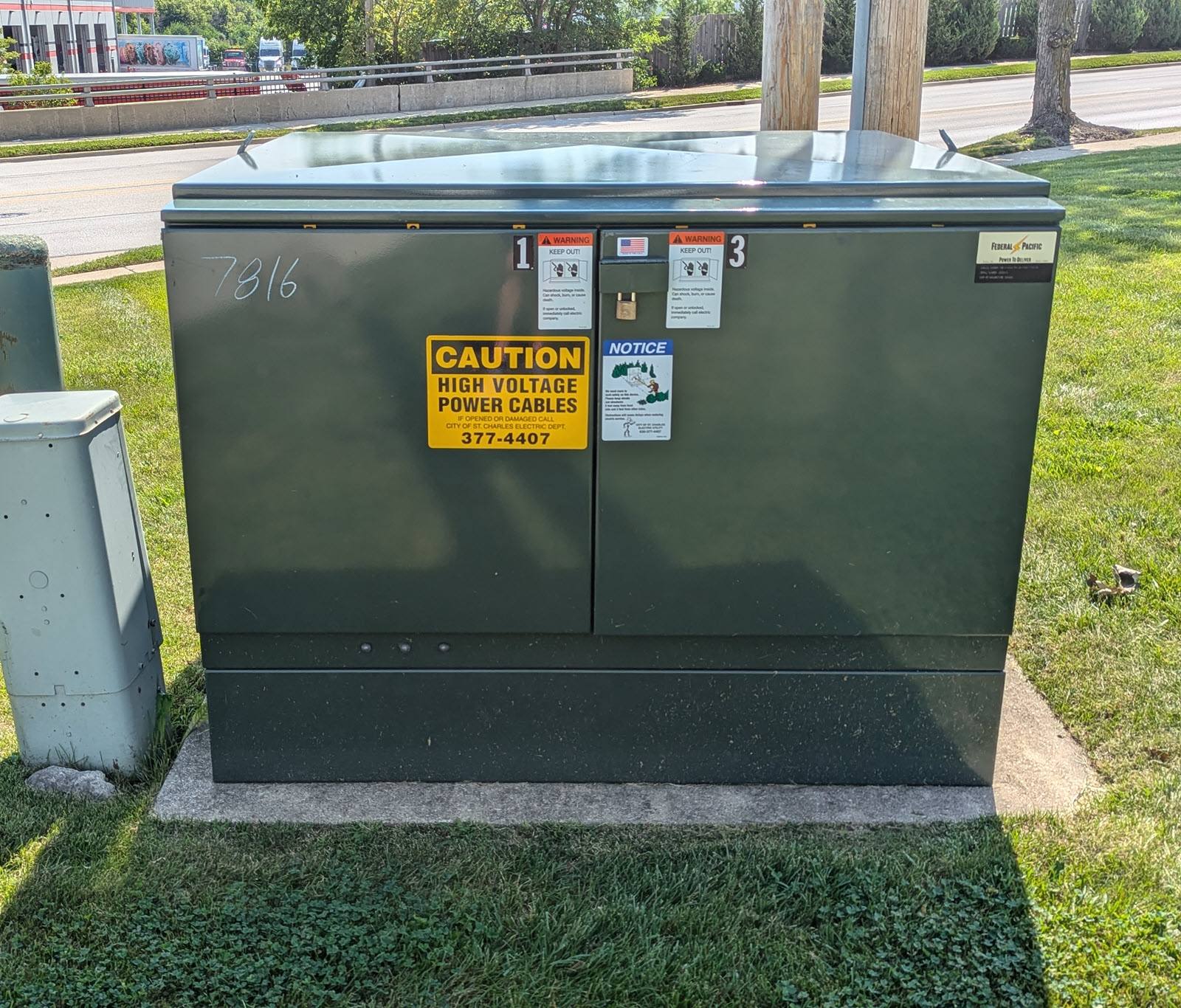
Sell Used Transformers in New Castle County, DE
Identifying a transformer and preparing an offer are separate steps. Identification establishes what equipment you have; an offer considers those details alongside its condition, quantity, location, ownership, access, project schedule, and freight coordination. For sellers in New Castle County, Delaware, starting with clear asset information helps the buyer assess the specific used or surplus transformers available without assuming what their ratings or intended use indicate.
The buyer purchases used and surplus transformers and makes cash offers. Payment is upfront, seller testing is not required, freight is covered, and all voltage classes are bought. These commitments apply while an actual buyer assesses the information provided; they do not mean every unit receives the same offer or that an offer can be promised before review.
Identify Each Transformer Clearly
Begin with the information already available for each unit, such as readable nameplate details, existing equipment records, and a count of transformers. A nameplate may identify the manufacturer, model or serial information, primary and secondary voltage, phase, and other ratings. Record what is legible rather than filling gaps with estimates, and distinguish confirmed details from information that is unavailable.
For a brand-name unit, read the manufacturer information as identification, not evidence of its history, prior ownership, affiliation, or service record. If a nameplate is safely accessible, a clear photograph can help communicate its markings; do not approach energized equipment or take a photograph unless it can be done safely. Existing records can add context without requiring seller testing.
Ratings Need Their Context
A voltage or kVA rating alone does not describe the whole asset. Primary and secondary voltage, phase, manufacturer, condition, quantity, seller location, and other readable nameplate details may all matter to an assessment. Do not assume a particular rating proves how a transformer was used, what it can serve, or whether it matches a prospective application.
Different units in one surplus group may have different ratings, manufacturers, configurations, or conditions. Keeping those differences attached to the right unit makes the information more useful than a single group description. If a detail is unclear, leave it unconfirmed and share the readable information you have; the buyer can consider it with the rest of the available records.
Describe Condition Without Testing
A seller does not need to arrange testing to receive an offer. Share known condition information and existing records, including any documented history or visible concerns that can be reported without approaching unsafe equipment. Avoid presenting an unknown condition as confirmed. The buyer's assessment informs any offer, and the available details help establish what is being considered.
Transformers may differ in design and condition, and not every unit is liquid-filled. If records identify a fluid type or other construction detail, provide that information as recorded rather than assuming it applies to every transformer. Do not infer environmental status, contents, or serviceability from appearance alone. Testing is not a prerequisite for the buyer to review the equipment.
Plan the Group and Sale Details
For multiple transformers, prepare a simple account of quantity and the information associated with each unit. Note the seller's location in New Castle County, Delaware, and share relevant ownership and access details. The county identifies where the seller is located; it does not establish equipment type, condition, site characteristics, or transportation requirements.
A sale discussion can also cover the project schedule and freight coordination. Share practical constraints and the records already on hand, including any known limitations on access. Do not move or handle equipment to gather information. Qualified professionals should manage work involving electrical equipment, disconnection, removal, rigging, handling, and transport; the seller can discuss logistics without undertaking that work.
Request an Assessment
When you are ready, provide readable nameplate information, existing records, quantity, location, and condition details that are safely available. Safe photographs may help clarify markings, but only take them when the information is safely accessible. Include ownership and access context as appropriate. This gives the buyer a basis to assess the used or surplus transformers without requiring seller testing.
The buyer purchases used and surplus transformers across all voltage classes, makes cash offers, pays upfront, does not require seller testing, and covers freight. Those are the buyer's service commitments, not a guarantee of a particular offer or outcome. The next step is a review of the specific equipment information and a discussion of any remaining sale or freight details.