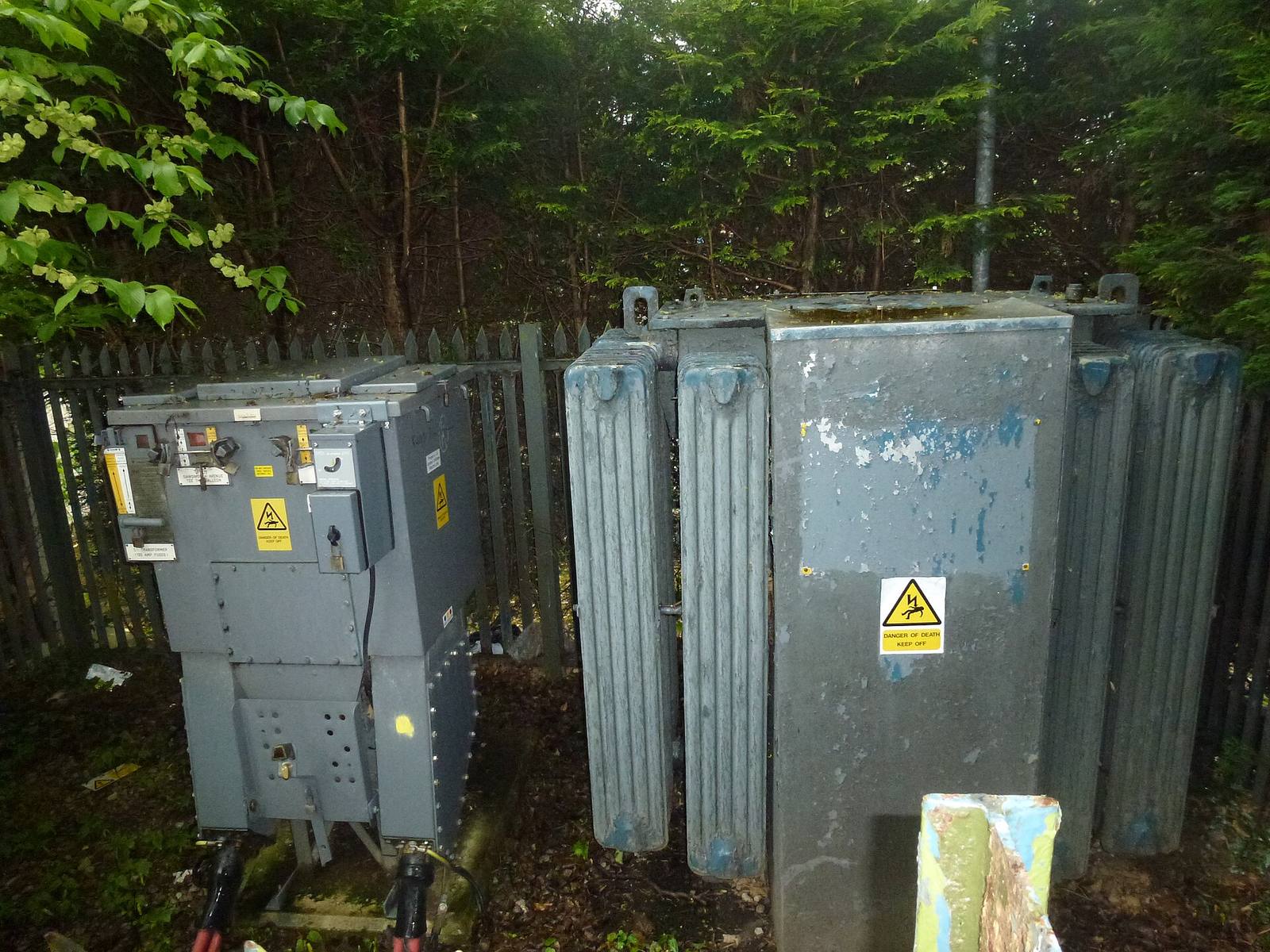
Sell 13,800-Volt Transformers in Lewes, DE
Are you looking for a buyer for a used 13,800-volt transformer in Lewes, Delaware, and wondering what information will help establish whether it fits a purchase? The voltage is a useful starting point, not a complete description. A buyer needs to consider the unit’s actual nameplate details, condition, quantity, ownership, location, and freight coordination before making an offer.
The buyer purchases used or surplus transformers and makes cash offers, including for units in all voltage classes. Payment is upfront, seller testing is not required, and freight is covered. These commitments can help frame the conversation, but they do not establish that any particular transformer will be purchased or what offer it may receive. An actual buyer’s assessment informs the offer.
Start with the Nameplate
First, check whether 13,800 volts appears as a primary-voltage value on the transformer’s readable nameplate or in existing records. Do not treat a search description, inventory label, or remembered figure as confirmation. Nameplate data may distinguish nominal voltage from other listed values, and the complete information can prevent a partial rating from being mistaken for the unit’s full electrical description.
If the manufacturer’s name is visible, include it as printed rather than assuming a product history or relationship. Useful existing details may include model or serial information, primary and secondary voltage, phase, frequency, kVA rating, and connection information where shown. Not every plate presents the same fields, and missing or unreadable details should simply be identified as unavailable rather than guessed.
Why the Rest of the Rating Matters
A 13,800-volt primary does not, by itself, describe the secondary voltage, phase, or application. Those details can distinguish units that share a primary rating. The kVA rating and any other readable nameplate data may also help the buyer understand what is being offered. Do not infer an installation or intended use from the voltage or rating alone.
When describing the transformer, report primary and secondary voltage separately if the records or nameplate show both. Include phase, manufacturer, condition, quantity, and location, along with other legible nameplate details. A group of similar-looking units may have differing ratings or conditions, so clarify whether the quantity refers to matching units or a mixed group when that information is known.
Describe Condition and Records
Condition is relevant to an assessment, but seller testing is not required to receive an offer. Share what is already known: for example, whether the unit is described as used or surplus, whether it has been stored, and whether records note prior service or a known issue. Keep observations factual; do not present an uncertain condition, fluid type, or operating status as confirmed.
Existing records can add context without creating a new testing requirement. A prior inventory sheet, purchase record, equipment schedule, or readable nameplate information may help connect the unit to the seller’s description. If a detail is unknown, say so. The buyer evaluates the available information and the transformer itself as part of assessing whether to make an offer.
Confirm Ownership, Quantity, and Access
Before discussing a sale, confirm that you own the transformer or are authorized to represent its owner. State how many units are available and whether each has separate identifying information. Also provide the seller’s location in Lewes, Delaware, without assuming that location tells the buyer anything about site conditions, equipment access, or freight arrangements.
Access and project schedule are practical topics for the conversation, not reasons to approach equipment unsafely. Share known access constraints or timing considerations through an authorized representative. Photographs can be useful only when they can be taken safely; do not approach energized equipment or attempt to obtain a nameplate image unless it is safely accessible. Qualified professionals should handle equipment work.
Discuss the Offer and Freight
Once the available details are clear, the buyer can assess the used or surplus transformer and make a cash offer. The buyer purchases all voltage classes, so the 13,800-volt rating does not limit the discussion to a particular secondary voltage or phase. Seller testing is not required, and payment is upfront. An offer remains dependent on the actual buyer’s assessment.
Freight is covered by the buyer. Discuss the transformer’s location, quantity, access, project schedule, and freight coordination so the parties can address practical arrangements. Do not assume that a particular unit is accepted or that a specific schedule or outcome is guaranteed. Sharing accurate existing information gives the buyer a grounded basis for considering the equipment and its available details.