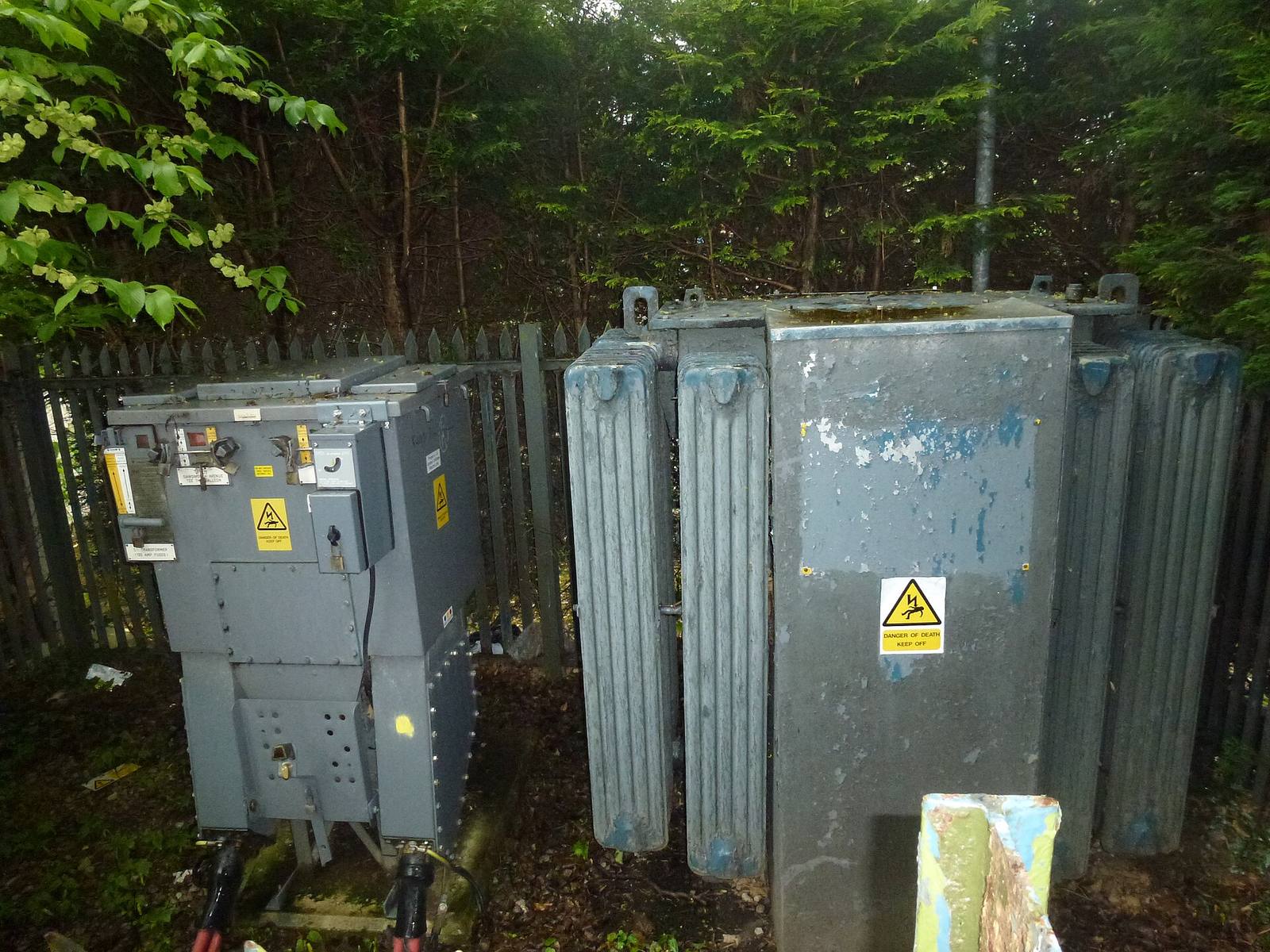
Sell 13,800-Volt Transformers in Newark, DE
A transformer marked 13,800 volts deserves careful identification before you decide how to market it. That figure describes a voltage class, not the complete equipment profile or its suitability for another use. For sellers in Newark, Delaware, the practical first step is to gather the available nameplate information and clarify what equipment is being offered, how many units are involved, and where they are located.
A buyer purchases used and surplus transformers and makes cash offers. Payment is upfront, seller testing is not required, freight is covered, and all voltage classes are bought. Those commitments apply whether a unit is operating, stored as surplus, or part of a larger equipment disposition. An actual buyer's assessment informs any offer; a voltage marking alone does not determine value or acceptance.
Identify the Complete Voltage Profile
Treat 13,800 volts as one important identifier, rather than a complete description. The nameplate may show primary and secondary voltage, and both can help distinguish one transformer from another. Record the information as printed when it is readable. Do not assume that a 13,800-volt primary establishes the secondary rating, connection arrangement, or intended application.
Other nameplate details can also matter, including manufacturer, phase, kVA rating, frequency, impedance, cooling designation, serial or model information, and listed temperature rise. Not every plate displays every detail, and a seller should not fill gaps with guesses. If a brand is visible, share its name as written; the name alone does not establish the unit's history or affiliation.
Describe Quantity and Condition Clearly
State how many transformers are available and whether the offer concerns individual units or a group. Similar voltage markings do not mean that units have matching ratings, construction, or condition, so describe each unit separately when practical. Existing inventories, purchase records, or equipment schedules can help reconcile unit counts and identifiers without requiring new testing.
Give a straightforward account of known condition, such as whether the unit is represented as used, surplus, stored, or removed from service. Share known concerns or missing information rather than drawing conclusions from appearance. Transformers may differ in construction and fluid status, so avoid assuming a unit is liquid-filled or making claims about contents that records do not support.
Share Records and Safe Photos
Useful records may include readable nameplate information, an existing equipment list, prior sale or ownership documentation, and available condition notes. These materials help the buyer understand what is offered and compare details across several units. Seller testing is not required to receive an offer, so do not arrange testing solely to begin a conversation or imply that a test result is available when it is not.
If photographs are already available, images of the nameplate and overall equipment can provide context. Take or share photographs only when the information and equipment are safely accessible; do not approach energized equipment or put yourself at risk to capture a label. When a plate is obscured or unreadable, say so and provide the details that can be confirmed from existing records.
Clarify Location, Ownership, and Access
Newark, DE identifies the seller's location for this inquiry; it does not by itself establish the equipment's access conditions or freight requirements. Explain where the transformers are located, whether the location is confirmed, and what is known about access. The buyer covers freight, while practical freight coordination can be discussed using accurate location and equipment information.
Confirm that you are the owner or are authorized to represent the owner, and identify any access limits or scheduling considerations. If several parties are involved in approval, note who can answer questions about the equipment and its disposition. Do not assume that a unit is ready for pickup or that a particular schedule, loading arrangement, or handling plan has already been established.
Prepare a Useful Offer Discussion
A focused inquiry can bring together the voltage markings, primary and secondary ratings, phase, manufacturer, condition, quantity, location, and other readable nameplate details. Include relevant existing records and safely available photographs, then flag any unknowns. This gives an actual buyer useful context for assessment without turning an incomplete description into an unsupported claim about capability, condition, or value.
Once the information is shared, condition, ownership, access, project schedule, and freight coordination can be discussed as needed. Cash offers are made for used or surplus transformers, with payment upfront; seller testing is not required, freight is covered, and all voltage classes are bought. No particular offer or outcome should be inferred from the 13,800-volt marking alone.