Sell Dry-Type Transformers in Selbyville, DE
Wondering whether a used dry-type transformer is worth selling, and what information helps a buyer evaluate it? If you own or represent a business with surplus equipment in Selbyville, Delaware, begin by identifying the unit and gathering records already available. The buyer purchases used or surplus transformers and makes cash offers; an actual buyer's assessment informs any offer.
Dry-type describes equipment that uses air rather than insulating liquid as its cooling and insulating medium, but that label alone does not establish a unit’s condition, value, or suitability for another application. Transformers vary in construction and configuration. Whether a unit is connected, stored, removed, or part of a project, qualified professionals should handle equipment-related work safely.
Identify the Unit from Existing Information
Start with readable nameplate details, if they can be accessed safely, and any existing asset records. Useful information may include manufacturer, model or serial number, primary and secondary voltage, phase, kVA rating, frequency, enclosure details, and other markings. Not every nameplate contains every item, and a rating should not be used to guess the equipment’s application.
For a branded transformer, record the manufacturer name as printed rather than assuming who originally owned it, how long it has been in service, or whether a particular company is affiliated with the buyer. The nameplate helps distinguish one configuration from another. If it is blocked or difficult to read, provide the information you can confirm without approaching equipment unsafely.
Describe Quantity and Condition Carefully
Make a straightforward inventory: note how many transformers are available, whether units appear to be the same model, and what condition information is documented. Existing maintenance records, prior inspection notes, storage history, or known operating status can help explain the equipment. Describe uncertainty honestly; a seller does not need to turn an incomplete record into a technical conclusion.
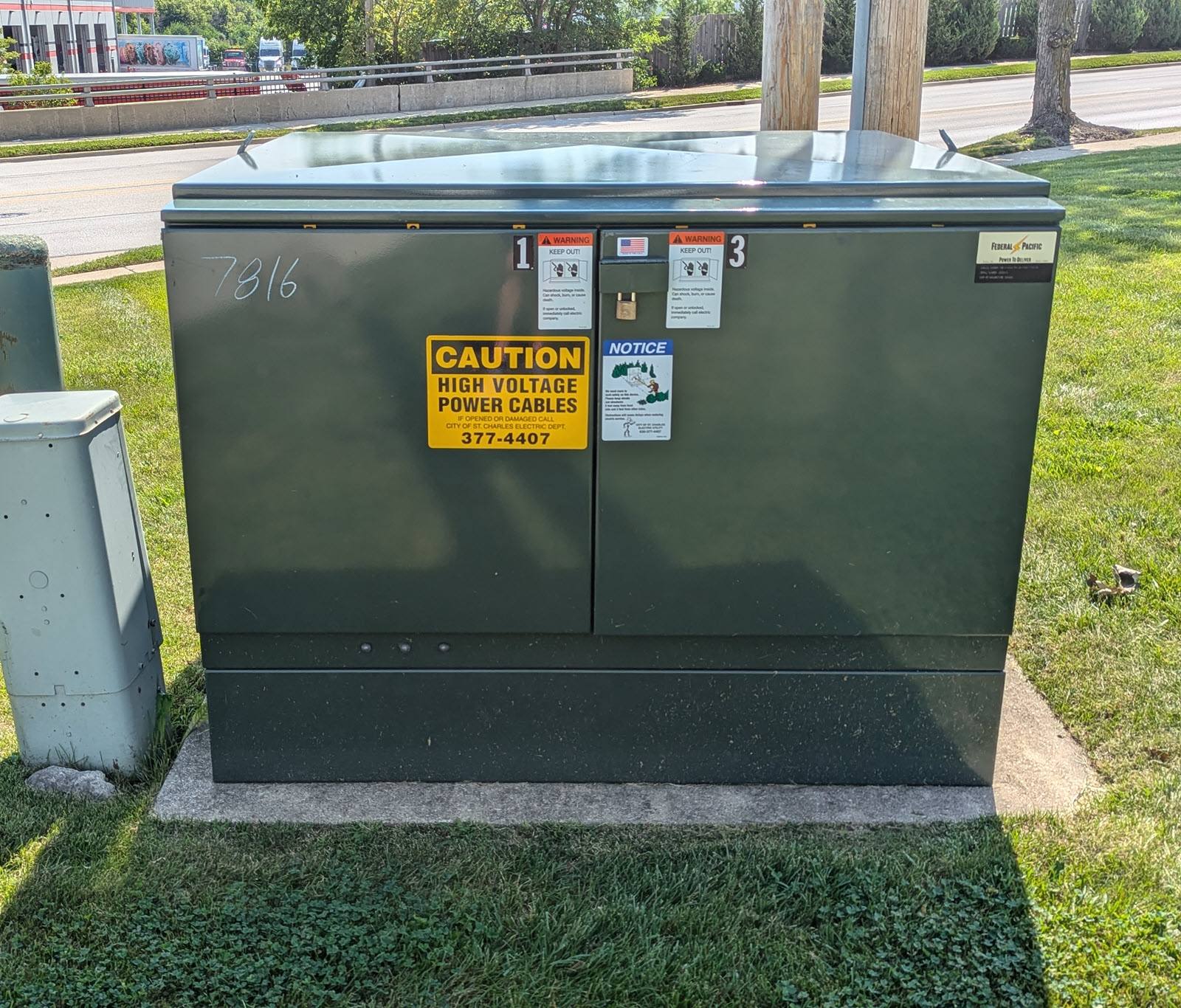
Visible details such as a damaged enclosure, missing covers, corrosion, or signs of prior repair may matter to an assessment, but photographs should be taken only when the equipment is safely accessible. Do not approach energized equipment or disturb components to get a better view. Seller testing is not required to receive an offer, and testing should be left to qualified professionals.
Gather Details That Affect an Assessment
Primary and secondary voltage, phase, manufacturer, condition, quantity, and location may all help the buyer understand what is being offered. Other nameplate details, configuration, and available records can add context. These factors are considered together: a single rating or brand does not establish the unit’s condition, intended use, buyer interest, or likely offer.
If voltage markings are incomplete, share what is legible rather than estimating. Include model information and any documented operating or storage history when available. Clear, safely obtained photographs of the nameplate and exterior can support the discussion, but they are not a substitute for reliable records, nor does a seller need to provide a test report to begin an offer evaluation.
Discuss Ownership, Access, and Schedule
Before moving toward a sale, confirm that you have authority to offer the equipment and can coordinate with the appropriate owner or facility representative. Be ready to discuss where the transformer is located, how many units are involved, access conditions, and the project schedule. These practical details help the parties consider whether and how a transaction can proceed.
Keep electrical, building, and equipment work within the responsibilities of qualified professionals. Do not disconnect, move, open, or prepare a transformer for pickup yourself based on an informal sale discussion. The buyer can consider available information and make a cash offer after an actual assessment; no particular offer or outcome is guaranteed by the unit’s description alone.
Plan Freight and Review the Offer
Freight is covered by the buyer, and all voltage classes are bought. Freight coordination can be discussed alongside unit quantity, location, access, and the project schedule so the parties can address the practical arrangements. Do not assume a particular pickup method, timetable, or acceptance before the buyer has assessed the equipment and the transaction details.
Share existing records, readable nameplate information, and safely obtained photographs through the buyer’s process, then discuss any questions about condition or ownership. Once an offer is made, review its terms and coordinate next steps with the authorized people involved. Payment is upfront. The seller is not required to test the transformer to receive an offer, and qualified professionals should handle equipment and freight-related work safely.