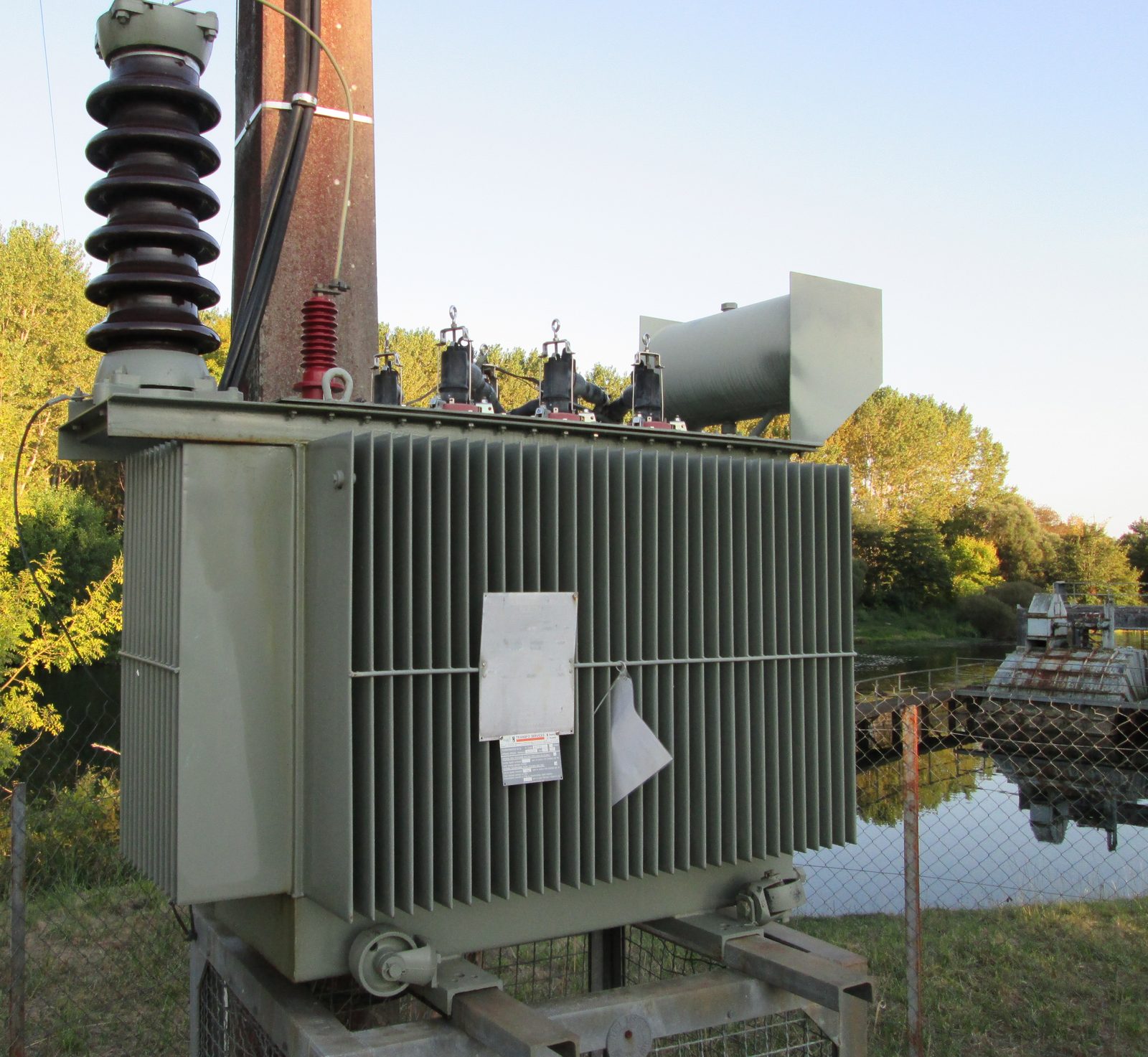
Sell Surplus Transformers in Milton, DE
A project can leave a transformer with no role in the equipment lineup: a replacement has been selected, an expansion has changed, or stored surplus is taking up space. For an owner or authorized representative in Milton, Delaware, the practical question is whether to sell it and what information a buyer needs to consider it. The first step is understanding the specific unit and its circumstances.
A surplus transformer might be ready for a planned changeout, held as a spare, or simply no longer needed after an operating requirement changes. Those situations can affect access, timing, and freight coordination, but they do not determine value by themselves. A buyer assesses the actual equipment and the seller's information before making an offer; there is no need to assume acceptance in advance.
Identify the Equipment Before Discussing a Sale
Start with what can be established from existing records and readable nameplate details. Useful information may include manufacturer, model or serial information, primary and secondary voltage, phase, kVA rating, frequency, and any listed enclosure or cooling details. These details help distinguish one unit from another and give a buyer a clearer basis for assessing the equipment without guessing at its application.
A rating alone does not describe a transformer fully. Primary and secondary voltage, phase, manufacturer, condition, quantity, location, and other nameplate information may all matter, and none should be inferred from another. If a rating is not readable or a record is unavailable, say so. Seller testing is not required to receive an offer, and the buyer can review the details that do exist.
Describe Condition and Quantity Accurately
Condition descriptions are most useful when they are factual and limited to what is known. Existing service records, inspection notes, maintenance documents, or a report of why the equipment became surplus can provide context. Mention known damage, missing components, storage history, or an uncertain operating status when applicable. Do not present an assumption as a test result or imply that a unit has been verified.
For multiple transformers, identify the quantity and separate units when their nameplates or condition differ. A group may include several ratings, manufacturers, or configurations, so a single summary can obscure important distinctions. Existing records can be shared alongside each unit's identifying details. The buyer's assessment informs any cash offer; a description is useful, but it does not promise a particular result.
Share Safe, Useful Information
Readable nameplate information and photographs can help clarify what is being considered, provided they are already safely accessible. Do not approach energized equipment or try to reach a label for a photograph. Existing images, inventory records, and documents may be sufficient to begin a conversation. If a detail cannot be confirmed safely, identify it as unknown rather than taking a risk or estimating it.
A short account of the project can also explain the selling question: whether a unit is surplus after a replacement, no longer needed as a spare, or part of a broader equipment change. Keep the account specific to the equipment and avoid assuming that a particular voltage or kVA rating establishes where or how it was used. Condition, ownership, and available documentation can then be discussed directly.
Plan Around Ownership, Access, and Freight
Before arranging a transaction, the seller should be able to address ownership or authority to represent the owner, the equipment's location, and any known access constraints. These are practical details, not a substitute for the buyer's assessment. A project schedule can be discussed as well, especially if the transformer is part of a changeout or the space it occupies is needed for other work.
Freight is covered by the buyer, and coordination can be discussed for the equipment and its location. Do not assume a particular pickup arrangement or timing before those details are reviewed. Moving, handling, disconnecting, and preparing transformers for shipment require qualified professionals. This article does not provide operational instructions; facility representatives should use appropriate qualified personnel for those activities.
Make a Direct Inquiry
The buyer purchases used or surplus transformers and makes cash offers. Payment is upfront, seller testing is not required, and all voltage classes are bought. These commitments make it possible to ask about a surplus unit without first arranging seller testing or limiting an inquiry to a particular voltage class. An offer remains subject to the buyer's assessment of the equipment and the information provided.
For a Milton inquiry, share the available nameplate details, quantity, condition, location, ownership or representation information, and any relevant project schedule. Include safe, existing photographs or records when useful, and note any unknowns plainly. The buyer can review those particulars, discuss access and freight coordination, and make an informed assessment. A clear account of the actual unit is the most practical starting point.