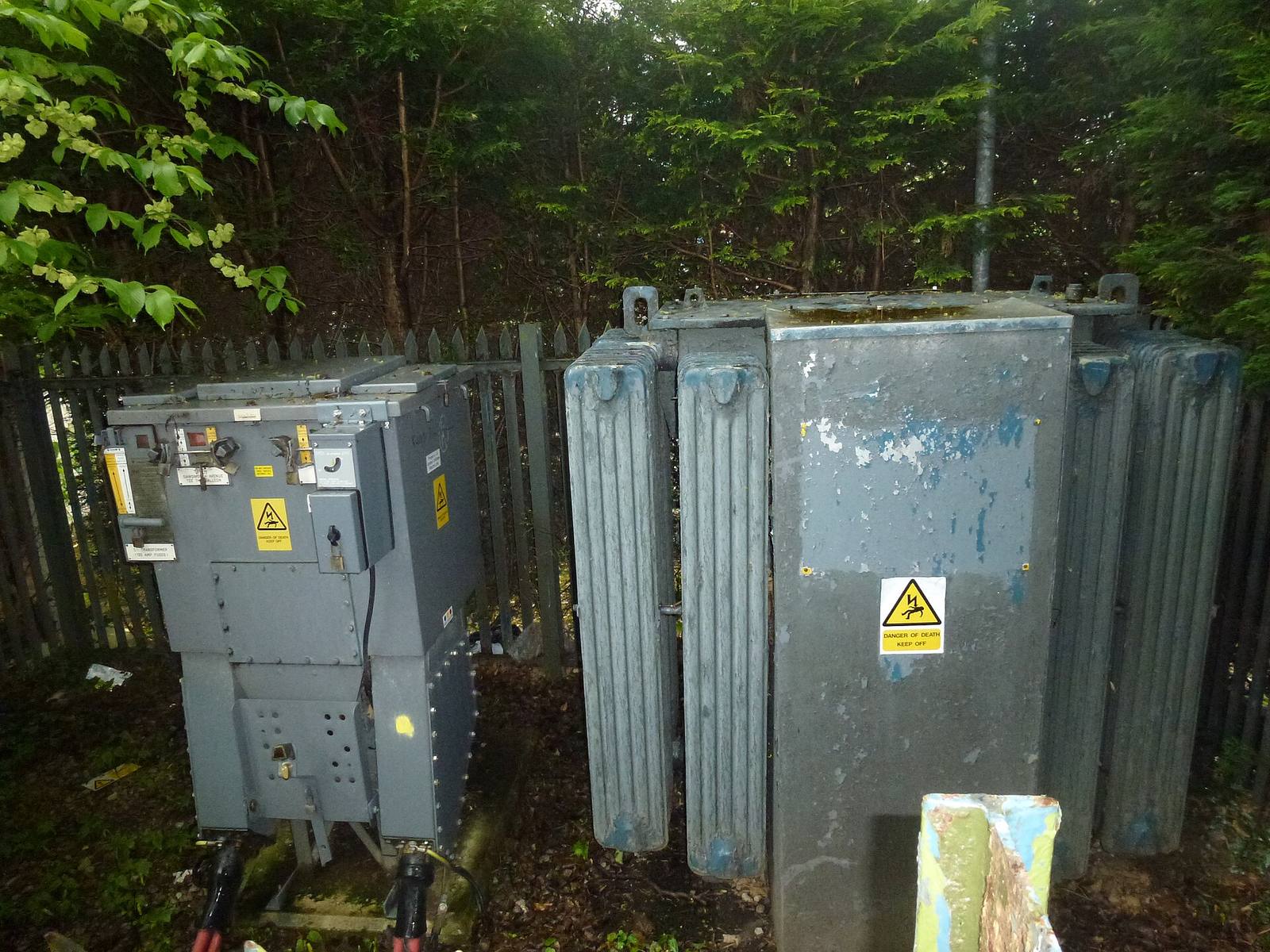
Sell Used Oil-Filled Transformers in Delaware
A used oil-filled transformer can represent a substantial piece of equipment, along with oil-related records and practical coordination needs. If you are authorized to sell one in Delaware, begin by gathering what is already documented and clarifying who can speak for the equipment. The buyer purchases used or surplus transformers and makes cash offers; an actual buyer’s assessment informs any offer.
Oil-filled describes the transformer’s insulating medium, not its electrical rating, condition, or suitability for another application. Units can differ in design, configuration, age, and recorded service history. Avoid treating a familiar appearance or a single label detail as a complete description. Existing records and readable nameplate information help establish what is being considered without requiring seller testing.
Identify the Unit From Available Records
Look for existing documentation that identifies the transformer, including readable nameplate details, prior inventory descriptions, or records already held by the owner. Useful nameplate information can include manufacturer, primary and secondary voltage, phase, capacity, serial or model details, and other markings. The available fields may vary, so share what can be read rather than filling gaps with guesses.
Primary and secondary voltage, phase, manufacturer, condition, quantity, and location may all matter when an actual buyer evaluates the equipment. Other nameplate details can also help distinguish one unit from another, especially when several transformers are being offered. A rating alone does not establish the application or value, and no particular voltage class excludes a transformer from consideration.
Describe Oil and Condition Carefully
For an oil-filled unit, existing information about the insulating liquid may help describe what is being offered. Share records already available, such as prior documentation identifying the oil or recorded service history, if you have them. Do not infer oil type, condition, or regulatory status from the transformer’s appearance, and do not assume that a record proves the unit’s present condition.
Describe known condition plainly, distinguishing documented facts from observations or uncertainty. Existing information about leaks, repairs, storage, or operating history can provide context, but seller testing is not required to receive an offer. The buyer considers the available information and makes an assessment. Do not approach energized equipment or take photographs unless the nameplate or equipment is safely accessible.
Clarify Ownership and Selling Authority
Before sharing equipment details, confirm that you own the transformer or are authorized to represent its owner. If more than one party has an interest in the equipment, clarify who can approve a sale and coordinate discussions. This helps keep the review focused on the correct unit and avoids treating a preliminary inquiry as proof of authority or ownership.
If you manage equipment for an organization, identify the appropriate contact for records and decisions. You can also explain whether the transformer is surplus, removed from service, or being considered for sale, using only facts you know. The buyer purchases used or surplus transformers; the inquiry does not depend on representing that the unit is suitable for reuse or in operating condition.
Coordinate Quantity, Location, and Freight
Give the equipment’s location in Delaware and the number of units being offered. For multiple transformers, clarify which records and photographs correspond to each unit, and note any differences that are already apparent. Location, quantity, access, and project schedule can be discussed as part of freight coordination. The buyer covers freight, while practical arrangements depend on the particular equipment and sale discussion.
Share photographs only when they can be taken safely, and include readable nameplate images if safely accessible. A wider view may help identify which unit matches the records, while close details can clarify visible labels; neither replaces a buyer’s assessment. Do not put yourself or others at risk to obtain images. Qualified professionals should handle equipment work and any associated movement.
Discuss the Offer and Next Steps
Once available information has been reviewed, the buyer makes an assessment and can provide a cash offer for consideration. Payment is upfront, seller testing is not required, freight is covered, and all voltage classes are bought. These commitments do not determine a particular offer or outcome; the actual buyer’s assessment informs the offer for the equipment being discussed.
To start a useful conversation, provide existing records, readable nameplate information, safe photographs where available, and the known quantity and location. Condition, ownership, access, project schedule, and freight coordination can then be discussed. You do not need to claim a specific service history or fill in unknown technical details. A clear account of what is documented supports a practical review of a used oil-filled transformer.