Sell Transformers From Storage in Delaware
A storage record is not the transformer itself. An inventory entry, auction description, or old purchase document can help identify equipment, but it may be incomplete or describe a unit that has since moved. The buyer evaluates the actual surplus asset using the details you can share, rather than treating paperwork alone as a complete picture.
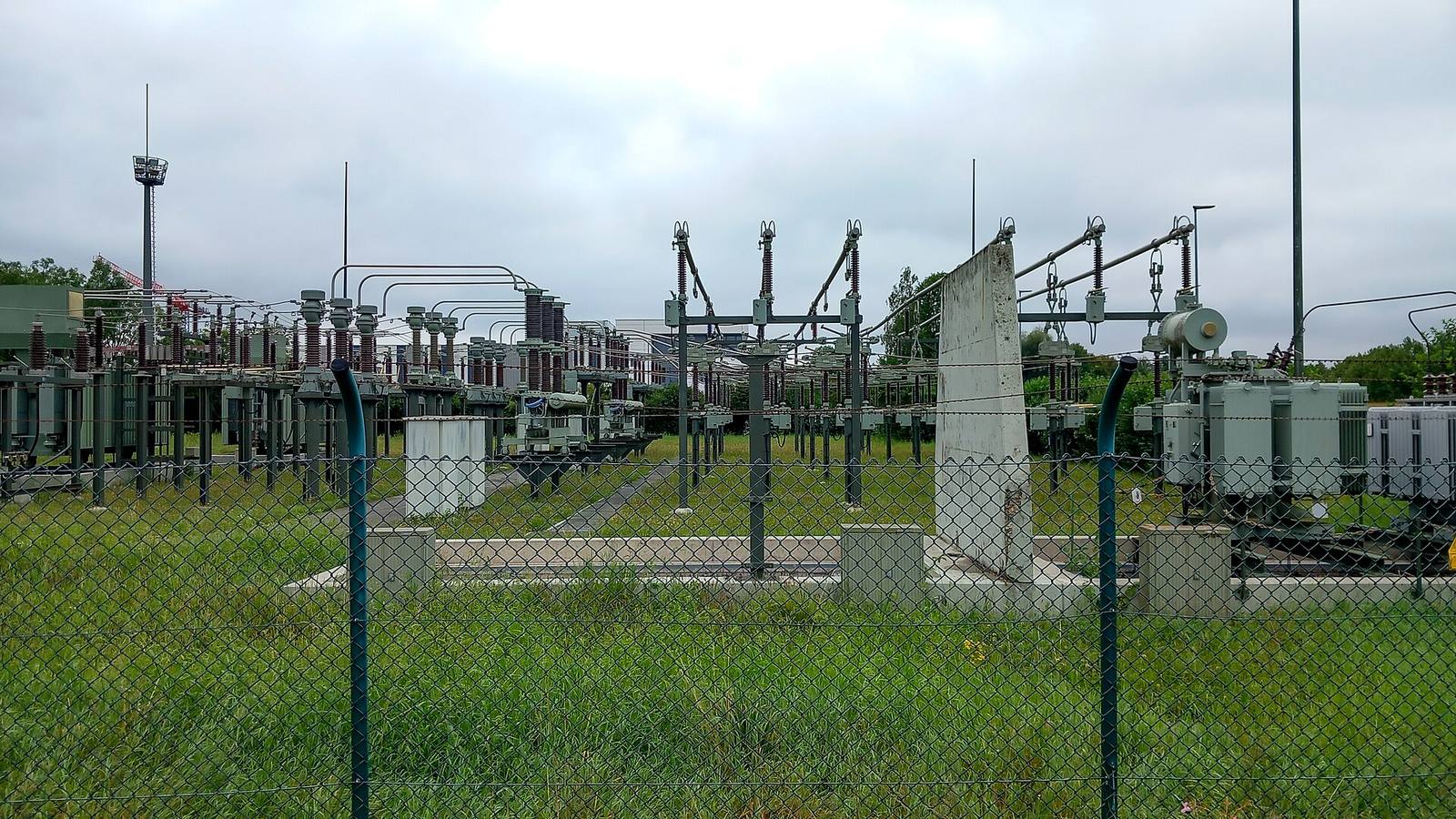
If you are authorized to represent the owner, you can request a cash offer for used or surplus transformers held in storage. The buyer purchases transformers across all voltage classes, pays upfront, does not require seller testing, and covers freight. These commitments apply without assuming that every stored unit is suitable for purchase.
Start With Records You Already Have
Existing records can provide a useful starting point: an inventory sheet, prior purchase document, service record, storage log, or project closeout file. Share what is available and note where information is missing. There is no need to create a new technical report or arrange testing just to request an offer; the buyer can review the information supplied.
Records may refer to a transformer by an internal asset number, equipment tag, or former use. Those references can help connect documents to the unit, but they do not establish its present condition or complete specifications. If several records disagree, point out the discrepancy instead of choosing one as certain; the buyer can consider the available details.
Share Readable Nameplate Details
When safely accessible, readable nameplate information can help distinguish one transformer from another. Useful details may include manufacturer, model or serial identifiers, primary and secondary voltage, phase, kVA rating, frequency, connection information, and any other legible markings. A brand name is an identifier, not evidence of a particular history, relationship, or present operating condition.
No single rating tells the whole story. Primary and secondary voltage, phase, manufacturer, condition, quantity, location, and other nameplate details may all matter when the buyer assesses an asset. Ratings and configurations vary, so avoid inferring an installation or intended use from one number. If a plate is obscured or unreadable, simply say so.
Describe the Stored Equipment
A concise description can clarify what is being offered: how many units are represented, whether they are grouped together, and whether the equipment is described in records as complete or missing components. Mention visible damage or known concerns only if you already have that information. Do not approach equipment or take photographs unless it is safely accessible.
Safe photographs can help show the overall unit, visible nameplate, and externally apparent condition, provided they can be taken without approaching unsafe equipment. Images are supporting context, not a substitute for an assessment. If photos are unavailable, records and a written description are still useful; seller testing is not required to receive an offer.
Clarify Ownership, Location, and Access
Explain whether the equipment is owned by the organization you represent and whether you are authorized to discuss its sale. If ownership or approval is still being confirmed, say so. Share the storage location at a level appropriate for the discussion, along with any known access limits or coordination requirements; do not assume that a record's old location is current.
Storage arrangements can affect how a potential transaction is coordinated. Note whether units are indoors or outdoors if known, whether they are grouped or separated, and whether site access requires advance coordination. These details help frame the buyer's assessment and freight planning, but they do not establish acceptance. The buyer covers freight, with coordination discussed for the actual equipment and location.
Discuss the Offer and Next Steps
Once the buyer has reviewed the information, an actual buyer's assessment informs any offer. Condition, ownership, quantity, access, and project schedule can be discussed as relevant. An offer should not be inferred from an inventory value, a past transaction, or a nameplate rating alone; share the available facts so the buyer can evaluate the particular assets.
Gather the records, readable nameplate details, and safe photographs you already have, then identify what remains uncertain. The buyer makes cash offers for used or surplus transformers, pays upfront, requires no seller testing, covers freight, and buys all voltage classes. Those service commitments do not guarantee an offer for any particular stored transformer.