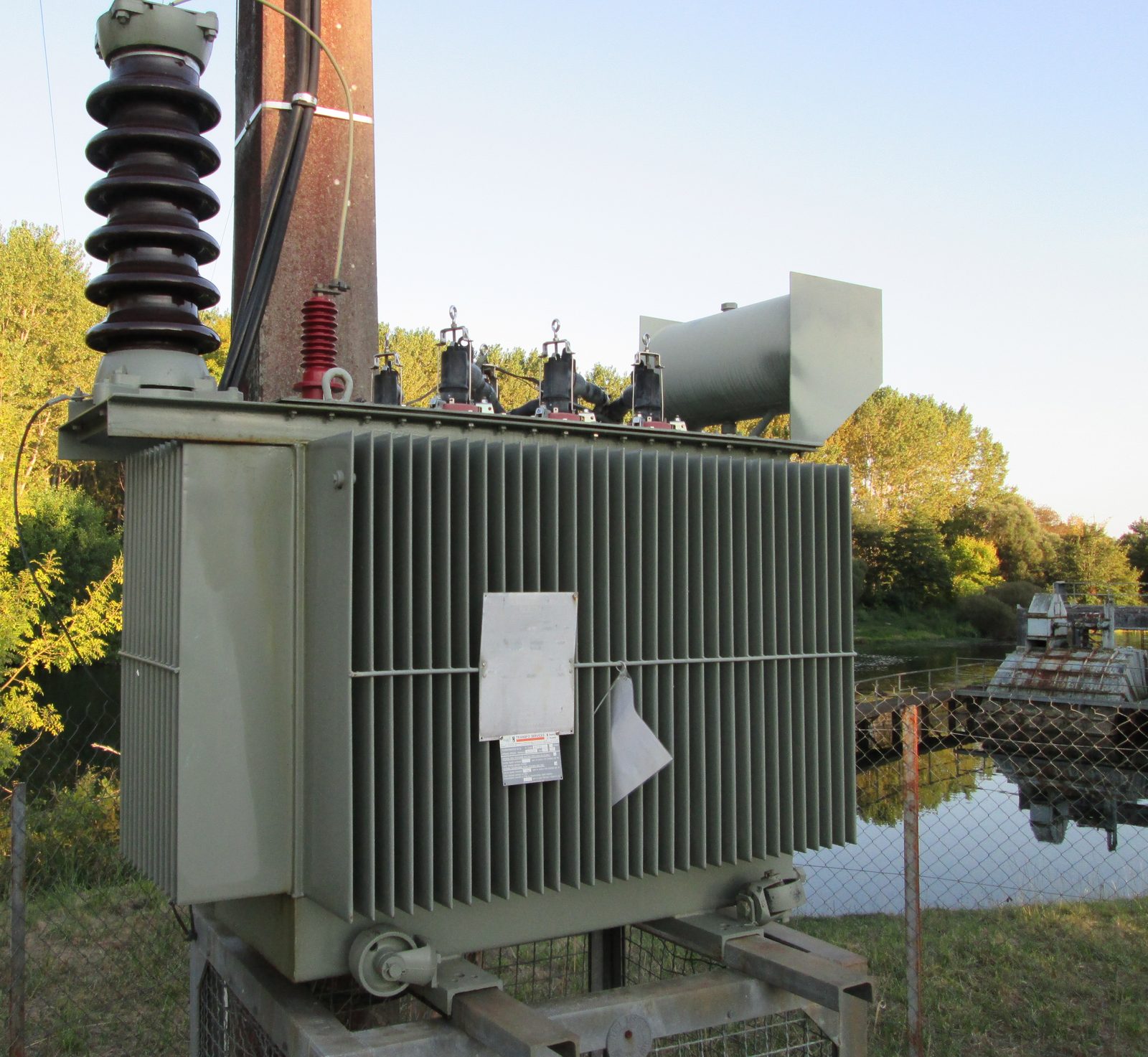
Sell Utility Substation Changeout Transformers in Delaware
A changeout record describes work; it does not, by itself, establish that a transformer is available for sale. The asset may still be installed, assigned to another owner, or subject to a project’s closeout process. For a Delaware seller, first clarify which specific unit is surplus and who is authorized to discuss its disposition.
The buyer purchases used or surplus transformers and makes cash offers. Payment is upfront, seller testing is not required, freight is covered, and all voltage classes are bought. An actual buyer’s assessment informs any offer; a work order, inventory entry, or equipment description alone should not be treated as an offer or a confirmed sale.
Start With What the Changeout Records Say
Existing records can help distinguish the removed unit from equipment that remains in service. Useful documents may include an asset record, removal or changeout paperwork, an equipment schedule, and available purchase or maintenance records. Share only records you are authorized to provide, and note whether the information describes the transformer itself or the larger substation project.
Records can contain shorthand, outdated fields, or details copied from a neighboring asset. Identify the unit by an asset tag or other reliable reference when available, and flag any mismatch between paperwork and the physical nameplate. If the exact configuration is unclear, say so rather than filling gaps with assumptions about the former installation.
Share Readable Nameplate Information
Nameplate details give the buyer a practical starting point for identifying a unit. Share readable information such as manufacturer, model or serial designation, primary and secondary voltage, phase, and other ratings shown. No single rating determines the full configuration, and a description from a project record should not replace details that can be read from the unit.
If the nameplate carries a brand, report what is legible without assuming when the transformer was made, who previously owned it, or any relationship between that manufacturer and the buyer. If a photograph is available, provide it only when the plate can be photographed safely and without approaching energized equipment. Existing records are useful when a safe image is not available.
Explain Quantity, Condition, and Uncertainty
State how many transformers are being offered and whether each is a separate asset with its own records or nameplate details. A changeout may involve units with different ratings, histories, or conditions, so avoid grouping unlike equipment under one generalized description. If the records do not resolve a difference, identify it as unknown for the buyer to assess.
Describe known condition observations and relevant maintenance or operating records without suggesting that seller testing is required. Equipment condition may affect an actual buyer’s assessment, but an owner need not supply test results to receive an offer. Do not present unverified assumptions as findings; identify whether a condition note comes from an existing report, a record, or a direct observation.
Clarify Ownership, Location, and Access
Confirm that the seller has authority to discuss the asset and disclose any ownership or disposition questions that remain unresolved. Share the unit’s location at a level useful for coordinating the transaction, along with known access constraints and the project schedule. These details help frame freight coordination; they do not establish a buyer’s acceptance or a particular pickup arrangement.
For a substation changeout, the equipment may be part of a broader work area or closeout process. Explain whether the unit is already designated as surplus, whether access requires coordination, and whether another party controls the site or records. Qualified professionals should handle any work involving electrical equipment, removal, rigging, handling, or transport.
Coordinate the Transaction Around the Asset
When sharing information, keep each transformer’s records, readable nameplate details, condition notes, quantity, and location together where possible. Point out missing or conflicting information rather than trying to resolve it through guesswork. The buyer can review the available facts and discuss ownership, access, project schedule, and freight coordination with the authorized seller.
A useful inquiry does not need a polished project history or seller testing. Provide the information already available and explain what remains uncertain, so the actual asset—not just the changeout paperwork—can inform an offer. The buyer purchases used or surplus transformers, pays upfront, covers freight, and buys all voltage classes; no voltage class alone determines the outcome.