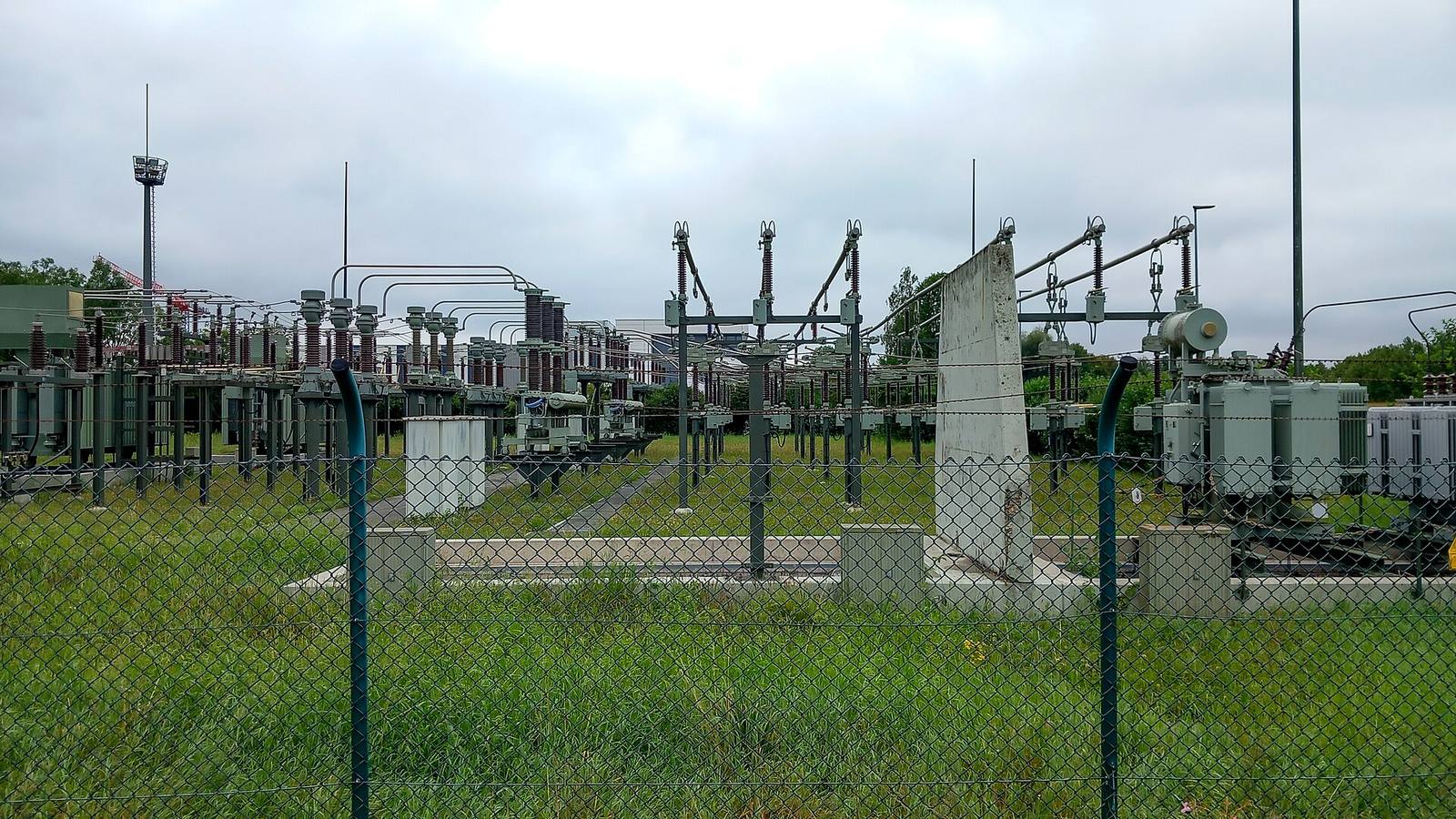
Sell Data Center Decommissioned Transformers in Delaware
When a data center is being decommissioned, transformers can become a significant part of the equipment disposition plan. Their value and suitability for resale are not determined by the facility’s former use alone. A buyer assessing surplus units will consider the actual equipment, its records, ownership, condition, quantity, and the practical details of coordinating a sale.
The buyer purchases used or surplus transformers and makes cash offers for equipment from data center projects in Delaware. Payment is upfront, seller testing is not required, freight is covered, and all voltage classes are bought. These commitments give facility owners and authorized representatives a straightforward basis for discussing equipment that is no longer needed.
Start With the Equipment Inventory
A decommissioning inventory may include transformers serving different areas or functions, so identify units individually rather than treating the group as interchangeable. Existing asset records, equipment schedules, and readable nameplate information can help distinguish units and quantities. Include the location of each unit within the seller’s information, along with any known ownership or project documentation.
Data center equipment may be removed from service as part of a broader transition, but the reason for decommissioning does not establish a transformer’s present condition. Records can help describe its operating history or status if available; missing records do not mean testing is required to receive an offer. An actual buyer’s assessment informs any offer.
Share Useful Nameplate Details
Readable nameplate information helps a buyer understand what equipment is being considered. Relevant details may include manufacturer, primary and secondary voltage, phase, rating, model or serial information, and other markings shown on the plate. These particulars matter because units from one project can differ, and no single rating or former application establishes the full equipment description.
Share existing records and photographs only when they can be obtained safely. Do not approach energized equipment or take a nameplate photograph unless it is safely accessible. If the plate cannot be read or reached safely, explain that in the inquiry and provide available records instead. Seller testing is not required, and there is no need to arrange testing to request an offer.
Describe Condition and Quantity Clearly
Condition information helps make a sale discussion specific. Report what is already known, such as whether records describe a unit as operating, stored, damaged, incomplete, or of uncertain status. Do not guess at internal condition or rely on a group label for every transformer. The buyer can consider the available description as part of an actual equipment assessment.
State how many transformers are available and whether the quantity is confirmed or still being reconciled. If the inventory includes units with different nameplate details or condition notes, separate those descriptions where practical. A careful inventory can reduce confusion during review, but it does not guarantee acceptance or a particular offer. Testing by the seller is not required.
Coordinate Location, Access, and Freight
Location means where the equipment is held for the sale discussion, not a claim about the surrounding area. Share enough information for the buyer to understand the equipment’s location and the access or scheduling considerations known to the authorized representative. Site access, ownership, project schedule, and freight coordination can be discussed without making assumptions about the facility.
Freight is covered by the buyer, an important consideration when planning the disposition of large or multiple units. The seller and buyer can discuss freight coordination in light of the equipment location, site access, and project schedule. Qualified professionals should handle any electrical work, removal, rigging, handling, or transport; this article does not provide operating or removal instructions.
Request an Offer With Available Information
An inquiry can bring together the inventory, readable nameplate details, existing records, known condition, quantity, and equipment location. The authorized representative may also identify ownership and any access or schedule considerations relevant to a possible transaction. Provide what is already available rather than delaying solely to obtain seller testing. The buyer’s assessment of the equipment informs any offer.
For Delaware data center decommissioning, the buyer purchases used or surplus transformers and makes cash offers across all voltage classes. Payment is upfront, freight is covered, and seller testing is not required. These terms support a practical discussion of surplus equipment without assuming a unit’s specifications, condition, or sale outcome. Final consideration depends on the buyer’s assessment.