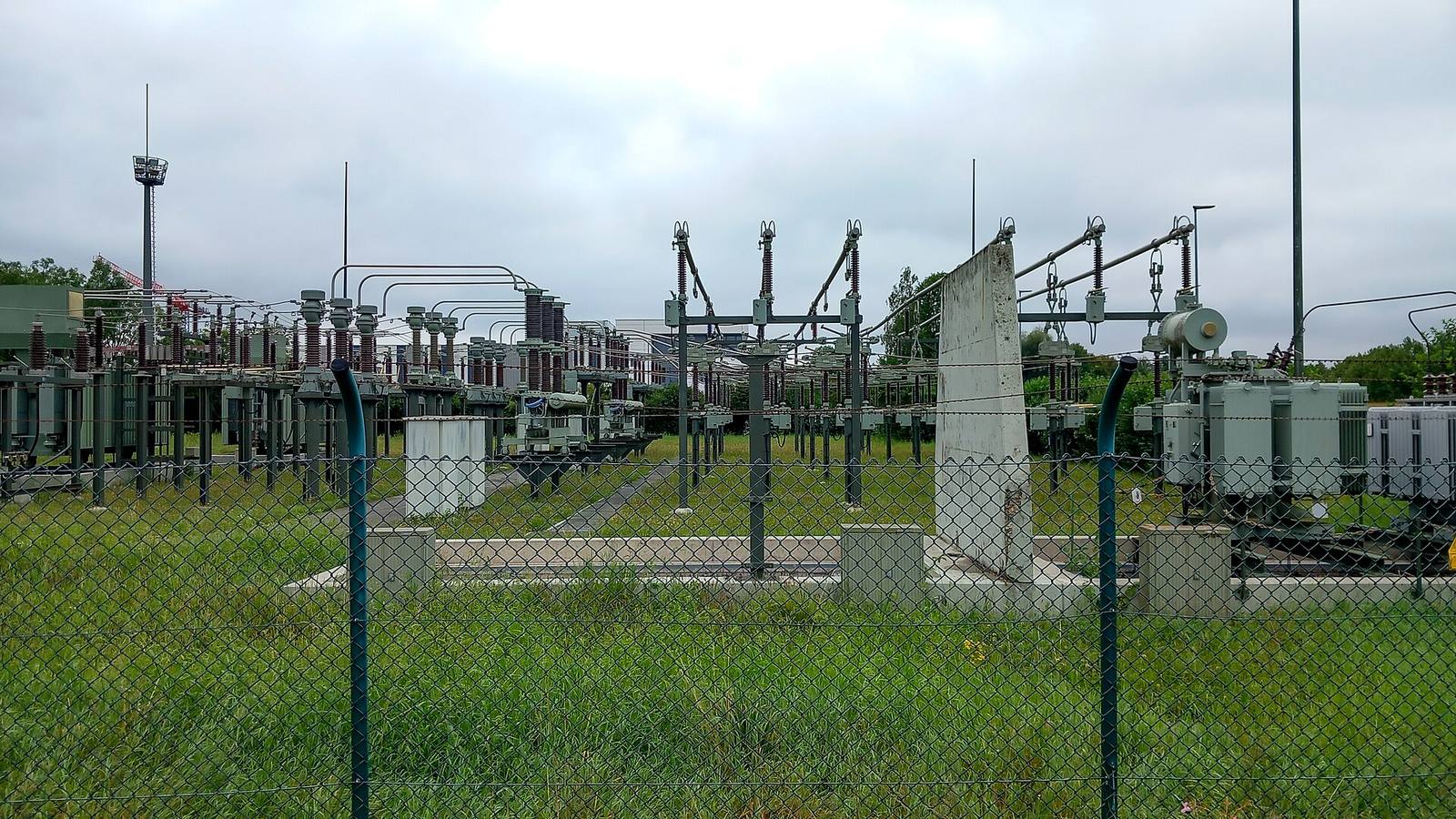
Sell Decommissioned Transformers in Delaware
A transformer has been taken out of service, and now you must decide whether to store it, send it onward, or sell it. For Delaware equipment owners and authorized facility representatives, selling can begin with a clear account of what is available. A buyer purchases used or surplus transformers and makes cash offers based on an actual assessment of the equipment and circumstances.
A decommissioned unit is not automatically unusable, nor does its removal from a project establish its age, condition, or remaining value. It may be stored, awaiting replacement, or no longer needed after a change in operations. Describe what you know, distinguish recorded facts from assumptions, and avoid making disposal decisions before the equipment has been assessed for a possible sale.
Start With Existing Information
Gather any existing equipment records that can identify the transformer, such as an inventory entry, purchase document, maintenance record, or decommissioning note. Readable nameplate information can help the buyer understand what is being offered. Useful details may include the manufacturer, model, serial number, primary and secondary voltage, phase, rating, and other markings actually shown on the unit.
Specifications should be reported as recorded rather than inferred from the equipment’s former role. Primary and secondary voltage, phase, manufacturer, condition, quantity, location, and other nameplate details may all matter to an assessment. A rating alone does not establish how the transformer was installed or what it can do. If records conflict, note the discrepancy instead of guessing which entry is correct.
Describe the Unit’s Current Status
Explain that the transformer is decommissioned and share what is known about its present condition. Existing records may describe prior service, storage, repairs, or visible damage, but do not present an undocumented assumption as a confirmed fact. Seller testing is not required to receive an offer. The buyer can consider available information and assess the equipment before deciding whether to make an offer.
Transformers differ in construction and condition; do not assume every unit contains liquid or that a particular material, component, or status applies. If existing documents identify fluid, accessories, or known issues, provide those details accurately. Do not approach energized equipment or take a nameplate photograph unless it is safely accessible. Qualified professionals should handle any work involving equipment, including inspection or preparation for movement.
Explain Quantity and Ownership
State how many transformers are being offered and whether the equipment is available individually or as a group. If several units are involved, identify each as clearly as available records allow; ratings, manufacturers, condition, and documentation can vary within one lot. Mention known accessories or separate components only when you can describe them accurately and clarify whether they are included in the proposed sale.
Be prepared to confirm your authority to sell or explain who is authorized to represent the owner. Ownership and availability are practical parts of a buyer’s assessment, particularly when equipment is held for another organization or a sale requires internal approval. You can also describe any known restrictions on access or timing. These discussions help establish the transaction’s scope without presuming an offer or outcome.
Discuss Location and Freight
Once the equipment is identified, its location and access can be discussed for freight coordination. Share the seller’s location in Delaware and any known information about site access, loading arrangements, or scheduling constraints. Do not attempt to prepare, disconnect, rig, load, or transport the transformer yourself on the basis of an initial sales inquiry; those activities should be handled by qualified professionals.
Freight is covered by the buyer, with coordination discussed in light of the equipment, location, access, and project schedule. A seller need not arrange freight independently as a condition of asking about a sale. Provide accurate logistics information when available, and flag details that still need confirmation. The buyer and seller can discuss how the equipment’s circumstances affect coordination after the available equipment information is reviewed.
Request an Assessment and Offer
To begin, share the quantity, location, readable nameplate information, existing records, and safely accessible photographs if available. Include what is known about condition, ownership, access, and project schedule; you do not need to create new test results for the inquiry. An actual buyer’s assessment informs any cash offer, so providing clear, factual information is more useful than assuming a particular result in advance.
The buyer purchases used or surplus transformers and makes cash offers across all voltage classes; payment is upfront, seller testing is not required, and freight is covered. These commitments do not establish that every offered unit will receive the same assessment or outcome. Keep the discussion grounded in the equipment actually available, then review any offer and transaction details before deciding whether to proceed.