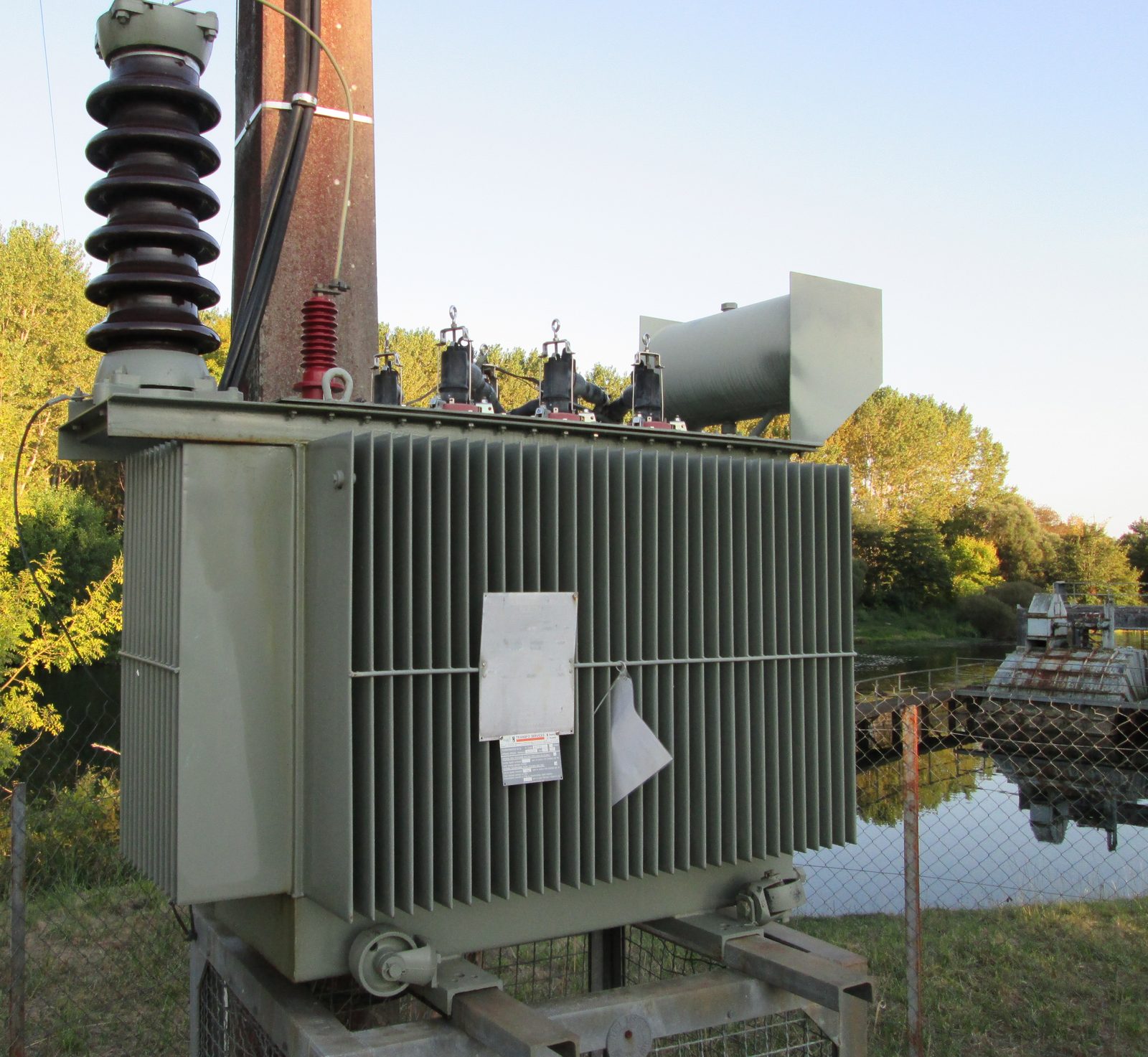
Transformer Nameplate Photos for Delaware Sellers
A transformer that is no longer needed can raise a practical selling question: what information will help a buyer assess it without asking your team to reconstruct its specifications? For Delaware sellers, a clear, safely obtained nameplate photo can provide a useful starting point. The goal is to document what is already visible, not to perform additional inspection or testing.
Before discussing a transaction, note the particulars of the equipment and the project around it. Is there one transformer or a surplus group? Is the equipment still part of an operating project, or has it been set aside? Existing records, readable nameplate details, condition, ownership, site access, schedule, and freight coordination can help frame the conversation.
What a Nameplate Can Establish
A nameplate may identify the manufacturer, model or serial information, primary and secondary voltage, phase, kVA rating, frequency, impedance, or other marked characteristics. Not every plate shows every field, and labels can be faded, obscured, or difficult to read. Share what is legible rather than guessing at missing characters or filling gaps from memory.
Primary and secondary voltage both matter, as can phase, manufacturer, condition, quantity, and location. Other nameplate details may help distinguish one unit from another or clarify its configuration. A rating by itself does not establish the application or the value of a particular transformer, so the buyer considers the available information as a whole.
Taking Useful Photos Safely
Use photographs only when the nameplate is already safely accessible. Do not approach energized equipment, open enclosures, or move barriers to get a picture. If the plate cannot be reached safely, provide existing records or readable information already on hand; qualified professionals should handle work involving equipment access or inspection.
When safe access is already available, a straightforward image that shows the full plate is more useful than a close crop that cuts off its edges. A second image may help if glare, shadow, dirt, or a reflection makes text hard to read. Keep the original image when possible, and avoid editing characters or enhancing a number into apparent certainty.
Make the Details Easier to Match
If several transformers are involved, identify which photo belongs to which unit using information already recorded, such as an existing asset label or a written description. Include the quantity and seller location, and mention whether the nameplate appears damaged or only partly readable. These details help keep separate equipment records from being confused during an initial review.
A photo does not need to answer every question. Existing documents may clarify a blurred rating, identify a unit that has no visible plate, or provide context about its condition and ownership. Share records you have, but do not estimate specifications or make a new inspection solely to complete a submission. The actual buyer's assessment informs any offer.
What to Expect From the Buyer
The buyer purchases used or surplus transformers and makes cash offers. Seller testing is not required to receive an offer, and the buyer purchases transformers across all voltage classes. An offer is based on the equipment and information assessed; a nameplate photograph helps with identification but does not itself promise acceptance or establish a particular amount.
For a seller proceeding with a transaction, payment is upfront and freight is covered. The parties can discuss condition, ownership, access, project schedule, and freight coordination as relevant. Those conversations help establish practical transaction details without assuming the equipment is ready for shipment or that a particular outcome follows from sending photographs.
A Clear First Message
A useful initial message can identify the seller's Delaware location, the number of units, what is known about their condition, and whether readable nameplate photos or records are available. Note any missing or uncertain details plainly. If the equipment is at a project site, a general access or scheduling constraint may also be helpful to mention.
Send only photographs that can be taken safely and information you are authorized to share. There is no need to test equipment or approach a unit to create documentation. With the available particulars, the buyer can review the opportunity and discuss next steps with the seller; any offer reflects that assessment, not assumptions drawn from a single label.