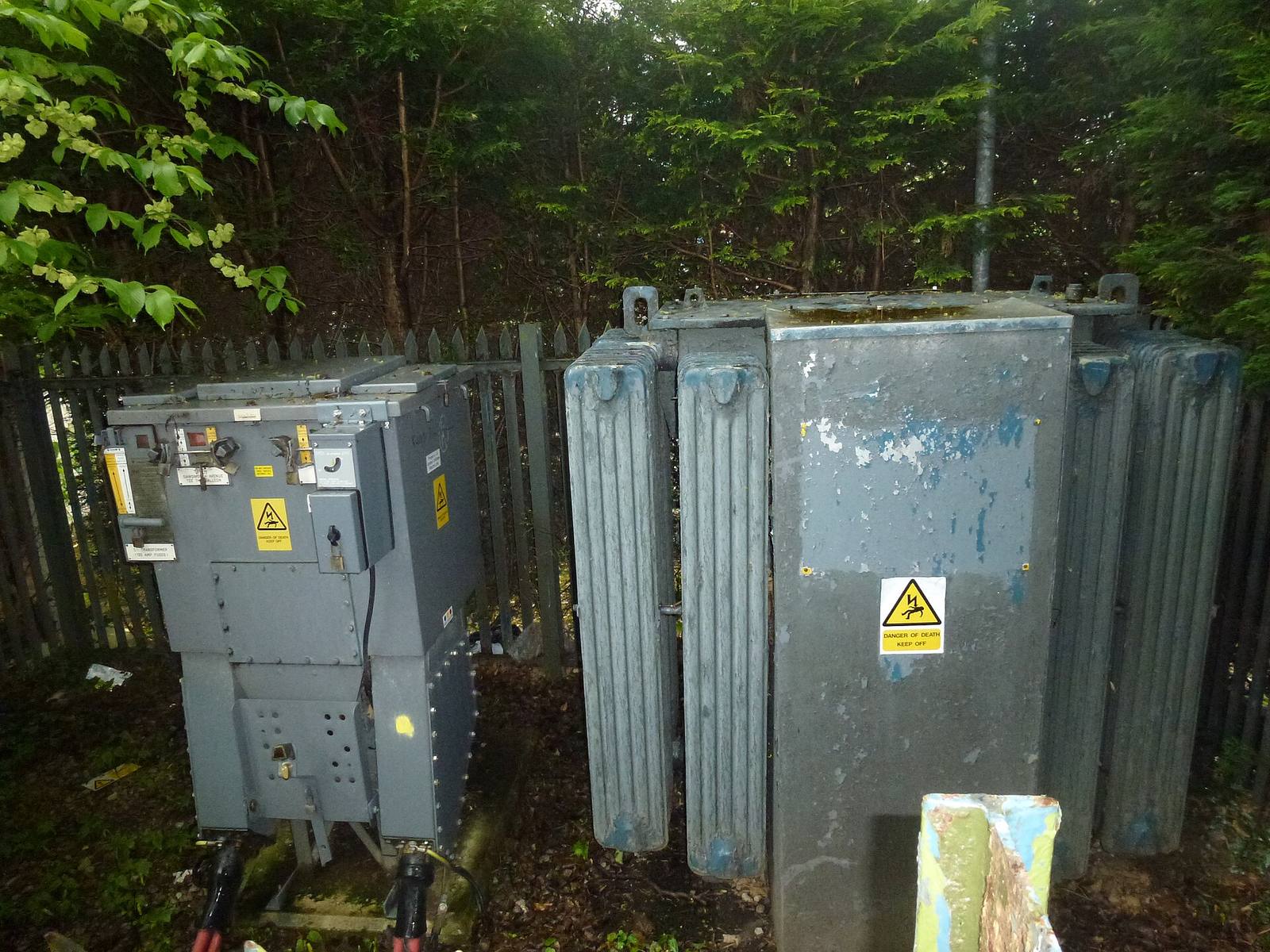
Sell Unused Surplus Transformers in Delaware
Do you have an unused transformer taking up space, left over after a project, or set aside when equipment needs changed? Selling surplus can turn an idle asset into a purchase discussion, but a useful first step is identifying what you have and what information is available. The buyer purchases used or surplus transformers and makes cash offers.
An offer depends on an actual buyer’s assessment of the equipment and sale details; an unused unit is not automatically accepted. You do not need seller testing to receive an offer. Start with existing paperwork and safely accessible nameplate information, then discuss condition, ownership, quantity, location, access, project schedule, and freight coordination with the buyer.
Identify the Transformer from Available Records
Look for existing asset records, purchase documents, maintenance notes, or photographs that can help distinguish one unit from another. A readable nameplate may show the manufacturer, model or serial information, primary and secondary voltage, phase, kVA rating, and other details. Not every plate is complete, and unavailable information can be discussed rather than guessed.
If the manufacturer is visible, record its name as printed; do not assume who previously owned, supplied, serviced, or installed the transformer. Photograph a nameplate only when it is safely accessible, without approaching energized equipment. A clear image can help the buyer review markings, while records may help clarify whether multiple units belong to the same surplus group.
Share Relevant Electrical and Quantity Details
Voltage and kVA alone do not tell the whole story. Primary and secondary voltage, phase, manufacturer, condition, quantity, location, and other legible nameplate details may all matter when the buyer evaluates a transformer. Share the markings as they appear, including uncertainty or missing information, instead of treating a partial rating as a complete description.
For a group of surplus units, note how many are available and whether records or photographs correspond to each one. Similar-looking transformers can have different nameplate details, so keeping the available information tied to the correct unit is helpful. All voltage classes are bought; no particular voltage class or rating by itself guarantees an offer.
Describe Condition Without Seller Testing
Give a straightforward account of what is known about condition, including whether the transformer is described as used, unused, or surplus and any documented changes in its status. Avoid filling gaps with assumptions. The buyer does not require seller testing for an offer, and you should not arrange testing simply to qualify for a purchase discussion.
Existing inspection or maintenance records can be shared if available, but they do not replace the buyer’s assessment. If condition is uncertain, say so. Do not infer that a unit is liquid-filled, dry-type, complete, serviceable, or suitable for a particular use from its appearance alone; construction and status should be established from reliable information where possible.
Confirm Ownership, Location, and Access
Before discussing a sale, be prepared to explain who is authorized to represent the equipment owner and whether the units are available for sale. Provide the seller’s location in Delaware and describe access at a practical level, such as relevant scheduling or site-contact arrangements. Do not include an unsupported assumption about the facility or its surroundings.
Discuss the project schedule and any known access constraints with the buyer so freight coordination can be considered alongside the equipment details. No special facility description is needed to begin. The seller and buyer can clarify who will coordinate site access and what information is available, while qualified professionals handle any work involving equipment or its movement.
Coordinate Freight and Consider an Offer
Freight is covered by the buyer, with coordination discussed for the particular equipment, location, access, and schedule. Share the quantity and available equipment details so the buyer can consider the logistics as part of the assessment. Do not move or prepare a transformer for shipment based on an assumption; handling and transportation arrangements should be managed safely by qualified professionals.
Once the buyer has reviewed the information, the buyer can make a cash offer based on its assessment; no specific amount or outcome is promised. Payment is upfront, and seller testing is not required. If the offer and coordination suit the authorized seller, the parties can discuss the next steps, including freight arrangements and the agreed schedule.