Sell Used Distribution Transformers in Delaware
Are you trying to determine whether a used distribution transformer can be sold, and what information will help a buyer assess it? Start with the equipment you actually have, not an assumed application or rating. A buyer purchases used or surplus transformers and makes cash offers. The offer depends on an assessment of the specific equipment and the information available.
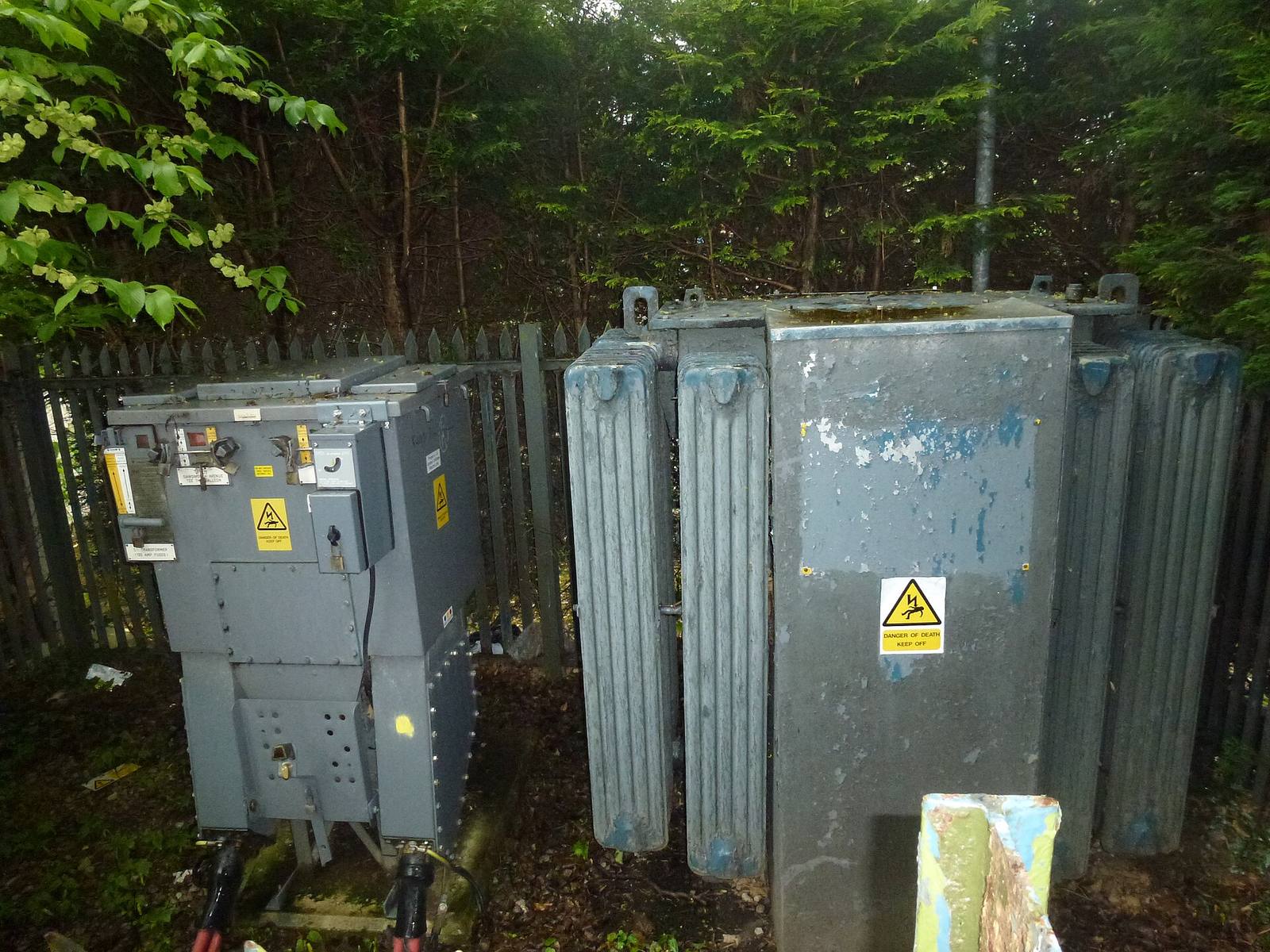
Distribution transformers serve as equipment between a primary supply and a secondary output, but units vary in construction and configuration. Some are liquid-filled; others are dry-type. A transformer’s former role, appearance, or location does not establish its specifications or value. Identify the equipment from existing records and readable nameplate information where available, without approaching anything that is not safely accessible.
Identify the Equipment You Have
Begin by checking whether the item is a transformer rather than another piece of electrical equipment, then note how many units are available. Existing asset records, purchase documents, or maintenance files may help distinguish models and configurations. If several units are involved, record which details belong to each one; similar-looking equipment should not be presumed identical.
When a nameplate is safely accessible, readable photographs can help capture the manufacturer, model or serial information, primary and secondary voltage, phase, kVA rating, and other marked details. Not every plate is complete or legible, and a missing record does not prevent asking about an offer. Do not approach energized equipment or take photographs unless access is safe.
Use Ratings in Context
Primary and secondary voltage both matter because they describe different sides of the transformer; one rating alone does not explain the unit’s full configuration. Phase, manufacturer, condition, quantity, location, and other nameplate details may also inform an assessment. A rating should be reported as marked rather than used to assume a particular installation, application, or compatibility.
For a brand-name unit, read the nameplate as identification, not proof of its history, present condition, or any relationship between its manufacturer and the buyer. If a rating, phase marking, or model code is hard to interpret, share a safe, readable image or existing documentation. The buyer can consider those details as part of an actual assessment.
Describe Condition and Ownership
Give a straightforward account of known condition, including whether records describe prior service, storage, repairs, or visible damage. Separate what you have observed from what is documented; avoid presenting an unknown internal condition as confirmed. Seller testing is not required, and testing is not necessary to receive an offer. Existing test reports may be shared if they are already available.
Confirm that you are the owner or are authorized to represent the owner, and explain whether the equipment is being offered individually or as surplus from a broader project. Be candid about missing accessories, incomplete records, or uncertain identification. These facts help the buyer assess the actual equipment; they do not establish a guaranteed offer or automatic acceptance.
Prepare Details for an Offer
Useful initial information can include the number of transformers, readable nameplate details, known condition, ownership or selling authority, and the equipment’s location. Safe photographs and existing records can help clarify what is being offered. If information is incomplete, share what you can verify and identify what remains unknown rather than guessing at ratings or condition.
The buyer purchases used or surplus transformers and makes cash offers after assessing the specific equipment. Payment is upfront, seller testing is not required, and all voltage classes are bought. Those commitments do not replace an equipment-specific assessment. The buyer’s review informs any offer; no particular price, acceptance, or result should be assumed before that review.
Coordinate Freight and Close the Sale
Before a sale moves forward, discuss access, the project schedule, quantity, and freight coordination with the buyer. Freight is covered. Share relevant timing constraints and any known site-access limitations through the appropriate representative, so the parties can coordinate the transaction around the equipment and its location. Do not move, disconnect, or prepare a transformer for shipment yourself.
Once an offer is under consideration, keep the equipment’s identification and ownership details consistent with the records already shared. Qualified professionals should handle electrical work, removal, rigging, handling, and transport safely. For a practical inquiry, provide existing records, readable nameplate information, and photographs only when safely accessible, then discuss condition, access, schedule, and freight with the buyer.