Sell Used Single-Phase Transformers in Delaware
A single-phase transformer can become surplus when a project changes, equipment is replaced, or stored inventory no longer fits a facility’s needs. That raises a practical question: what information will help a buyer assess it? Start with the unit’s identity and the circumstances of the sale, rather than assuming its rating alone determines whether it has value.
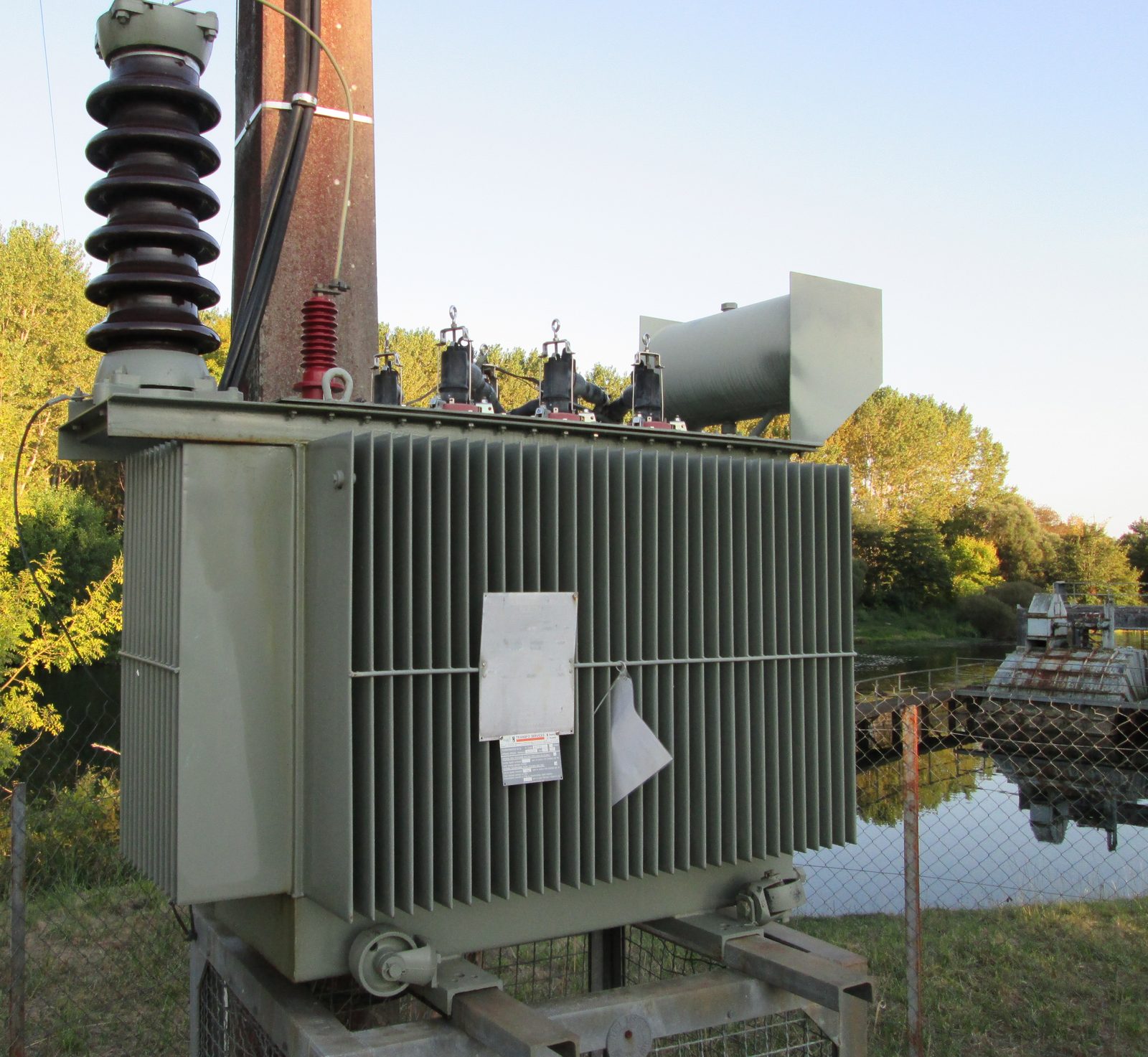
Single-phase units appear in varied applications, and their appearance does not establish their intended use or electrical characteristics. A cabinet, enclosure, or set of terminals cannot substitute for readable nameplate information. If the unit is safely accessible, existing photographs can help show its overall condition and identifying details without requiring anyone to approach energized equipment.
Identify the Unit Before Discussing a Sale
Useful nameplate details may include manufacturer, model or serial information, primary and secondary voltage, phase, frequency, kVA rating, and any listed connection information. Record what is legible, but do not fill gaps by guessing. A buyer considers the available details together; no single marking, including a familiar brand name, tells the whole story of the transformer.
Primary and secondary voltage both matter because they describe different sides of the unit, while phase and other nameplate details help distinguish one configuration from another. The manufacturer and condition also inform an assessment. If ratings or labels are unclear, share existing records or safely accessible photographs rather than attempting electrical checks or opening equipment.
Describe Quantity, Condition, and Ownership
For a single unit or a group, state how many transformers are available and whether they are being offered together. Mention visible concerns, such as damaged enclosures, missing labels, or signs of prior storage, only as observations. These details help frame an actual buyer’s assessment; they do not establish a final value or guarantee that a particular unit will be purchased.
Clarify that you own the equipment or are authorized to represent its owner. If the transformers came from different projects or have different nameplate data, keep those distinctions clear. Existing inventory records can be useful, but seller testing is not required to receive an offer. Do not operate, open, or otherwise handle equipment to gather information.
Share the Delaware Location and Access Context
The seller’s location in Delaware helps the buyer understand where the equipment is and consider freight coordination. Provide the relevant location details through the sale discussion, along with whether the units are indoors or outdoors and any known access constraints. Avoid assuming the buyer can infer loading conditions, site access, or equipment readiness from a general location alone.
Access and scheduling can affect how a transaction is coordinated, so share known limits, planned changes, and the project schedule when available. Freight is covered by the buyer as part of its service commitment. That does not remove the need to discuss practical coordination with the seller, or establish that every site condition or unit will receive the same assessment.
Understand the Buyer’s Assessment
The buyer purchases used or surplus transformers and makes cash offers. An actual buyer’s assessment informs any offer, using the unit information and sale circumstances available. All voltage classes are bought, and a seller does not need to provide test results to receive an offer. These commitments do not amount to an automatic acceptance or a promise of a specific outcome.
A useful inquiry can include readable nameplate information, existing records, and photographs taken only when the equipment is safely accessible. Condition, ownership, quantity, location, access, project schedule, and freight coordination can then be discussed. If a detail is unavailable, say so plainly; do not arrange electrical testing or other work just to begin the conversation.
Prepare a Clear Sale Inquiry
Before contacting a buyer, gather the facts already at hand: how many single-phase transformers are available, what their nameplates show, and where the seller is located. Note whether descriptions apply to every unit or only one. A concise, accurate account is more useful than an assumed application or a guessed specification, particularly when several units differ.
Then explain why the equipment is surplus and what timing or access considerations are known. The buyer can review the information and make a cash offer based on its assessment. Payment is upfront, freight is covered, and seller testing is not required. Keep any next steps within qualified professionals’ responsibilities, and do not treat an inquiry as a confirmed sale.